

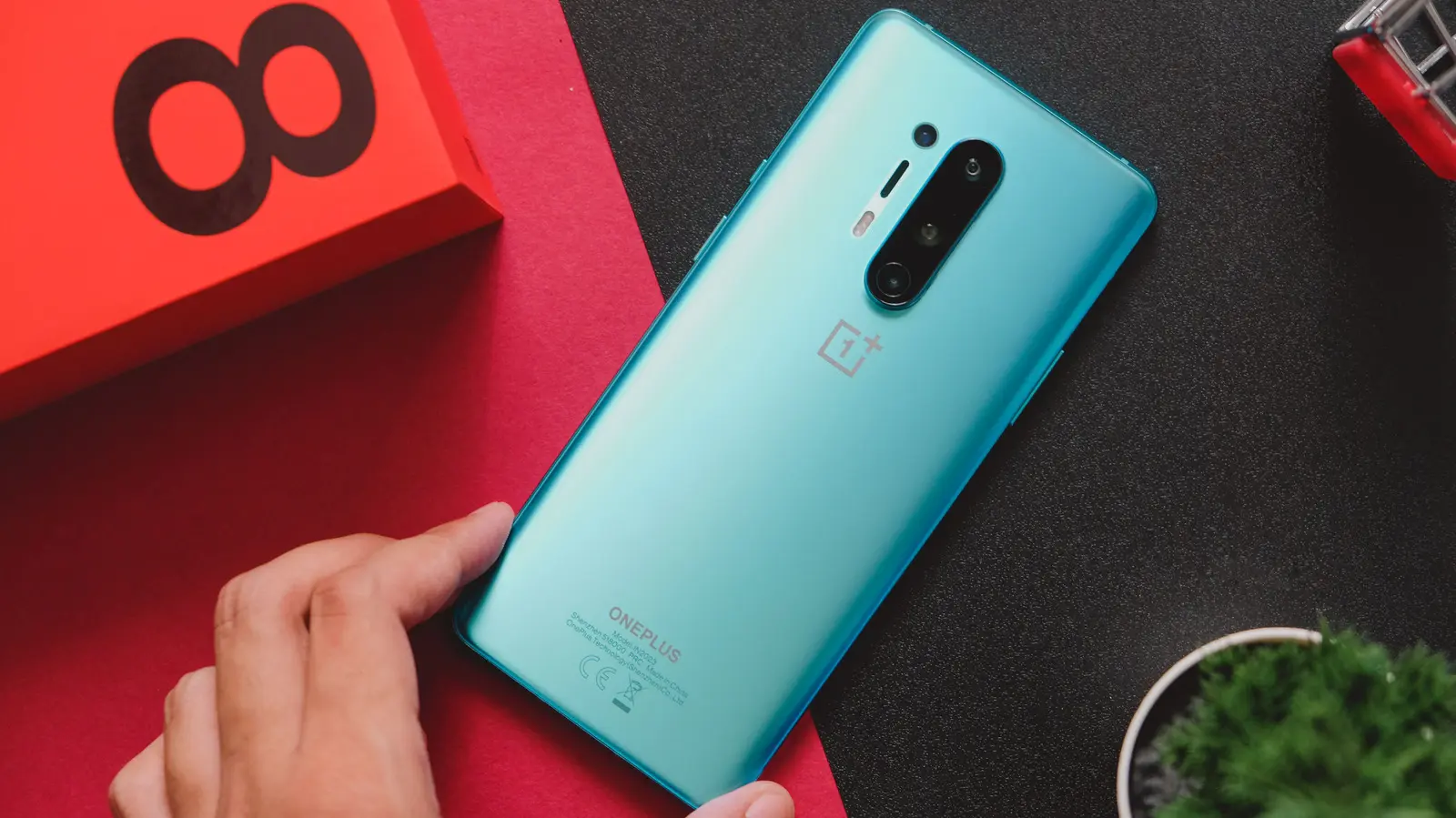
At a time when flagship smartphones from Samsung, Apple, and HTC routinely cost more than $600, an unknown startup called OnePlus promised to upend the market. In April 2014, it introduced the OnePlus One: a phone with a flagship Snapdragon chipset, a large display, and near-stock Android software, all for $299. That was less than half the price of comparable flagships, and enthusiasts lined up. But not everyone could buy it right away. OnePlus sold the OnePlus One through an invite system, whether because of supply constraints or a deliberate marketing ploy. The company still managed to ship more than 1.5 million units in the first year, a stunning result for a brand that had barely existed months earlier.
Key facts at a glance
- OnePlus has wound up its operations in the United States after 12 years.
- The brand will no longer sell phones through official channels in the country.
- The OnePlus One launched in 2014 at $299 and sold more than 1.5 million units in a year.
- OnePlus introduced features like Dash Charge, the OnePlus 7 Pro full-screen design, and the OnePlus Open foldable.
- The company’s exit strengthens a premium Android duopoly led by Samsung and Google.
Why the US market is so hard to crack
The United States smartphone market operates differently from most other regions. A large share of consumers prefer buying phones through carriers because they can spread the cost over monthly payments instead of paying full price upfront. That means carrier store shelves are the primary battlefield. Apple and Samsung have spent years building deep relationships with carriers, and they offer many more models at different price points. Newer entrants must fight for a tiny slice of shelf space while competing against powerful marketing budgets and long-standing brand loyalty.
This is exactly the barrier OnePlus faced. It managed to get its phones into carrier stores after a few years, but lower sales volumes meant it was always trying to catch up. The same dynamic explains why many impressive Chinese phones never officially reach North America. Devices like the Oppo Find X9 Ultra, Vivo X300 Ultra, and Xiaomi 17 Ultra offer flagship hardware, cutting-edge cameras, and aggressive pricing, but they rarely appear in U.S. stores because carriers are already committed to the latest Samsung or Apple devices. OnePlus was one of the few brands from that ecosystem to build a meaningful presence in America, and its success was hard-won.
From enthusiasts to mainstream
OnePlus built its identity on a simple promise: flagship specifications at prices that undercut rivals. That approach forced the company to make sacrifices, but the compromises were carefully chosen. The target consumer was usually a tech enthusiast or a gamer who cared about raw performance, smooth animations, and clean software. That is why OnePlus flagships always included top-tier chipsets and why the brand worked hard to develop OxygenOS into one of the cleanest, most responsive Android interfaces available. It was a rare combination in the Android world, and it earned OnePlus a loyal community that felt heard by the company.
But catering to enthusiasts meant neglecting things that mainstream buyers care about. Cameras were a persistent weakness. For a long time, OnePlus phones produced inconsistent photo quality, and while that was forgivable when the price stayed low, it became a problem as the brand moved toward the premium segment. By the time OnePlus phones approached $700, the company was entering dangerous territory. Apple’s base iPhone offered reliable cameras and a timeless design, while Samsung’s Galaxy line delivered polished camera systems across the board. OnePlus eventually tried to fix this with special editions and partnerships, but the perception of weak cameras lingered.
Innovation that changed the game
Despite those struggles, OnePlus repeatedly pushed the industry forward. Dash Charge, introduced with the OnePlus 3, was a revelation. In 2016, charging a phone to 50 percent in about twenty minutes felt like science fiction. OnePlus made it real and effectively pioneered the fast, convenient charging technology that many buyers now expect as standard. The OnePlus 7 Pro took a different kind of risk by eliminating the notch and punch-hole camera altogether, delivering a full-screen display that made the phone a content consumption dream. It remains one of the most beloved devices the company ever made.
The OnePlus 9 lineup brought a partnership with Hasselblad, giving the brand’s camera tuning a boost. The OnePlus Open, meanwhile, proved that OnePlus could outperform Samsung and Google in the foldable category. It was slimmer, packed a bigger battery, and offered more capable cameras than its rivals. Even after the company shifted toward mainstream appeal, those innovations remained part of its DNA. OxygenOS, built from scratch after the CyanogenMod split, stayed a major draw because it kept performance and flexibility at the center while adding useful features requested by the community.
A duopoly takes shape
OnePlus leaving the U.S. market leaves behind a dangerous void. In the premium Android segment, Samsung and Google now face little serious competition. That is rarely a good situation for consumers. Samsung has settled into iterative yearly updates on its Galaxy S series, while Google’s Tensor chips continue to lag rivals in raw performance and efficiency. With OnePlus gone, both companies have even less reason to break out of their comfort zone. New flagship launches can include only minor improvements, and buyers will have no strong alternative to push the market forward.
It is true that brands like Motorola, Kyocera, and HMD still sell phones in the U.S., but they are mostly associated with budget and mid-range devices under $500. Motorola’s Edge series has some appeal in the higher tier, yet most consumers looking for a premium Android phone will naturally turn to Samsung or Google because of software support, brand trust, and carrier availability. OnePlus had carved out a different space. The Nord series, for example, offered value that rivaled Samsung’s A-series and gave buyers another reason to consider something other than the usual names.
What consumers stand to lose
The bigger problem is the lack of Chinese brands in the U.S. market. Consumers may not want to buy a phone from every Chinese manufacturer, but the presence of those companies forces established players to work harder. Chinese phones have embraced massive 1-inch camera sensors, larger ultrawide and zoom sensors, huge batteries, extremely fast charging, and bold designs. Samsung and Apple have been slow to adopt some of those features because they face little pressure in North America. The Galaxy Z Fold line, for instance, used a conservative 4,400mAh battery for seven years while Chinese foldables moved well past 6,000mAh without becoming thicker.
OnePlus regularly brought some of these advancements to the American market. It did not always match the most extreme specs from Chinese rivals, but it introduced faster charging, high-refresh-rate displays, and distinctive designs to a wider audience. With OnePlus gone, U.S. consumers will have fewer legal, official, and convenient ways to experience that kind of innovation. The hope is that another challenger eventually finds a path into the country. Until then, the U.S. smartphone market is likely to become more conservative, more predictable, and less exciting for everyone who loves Android.
Source: SlashGear News