

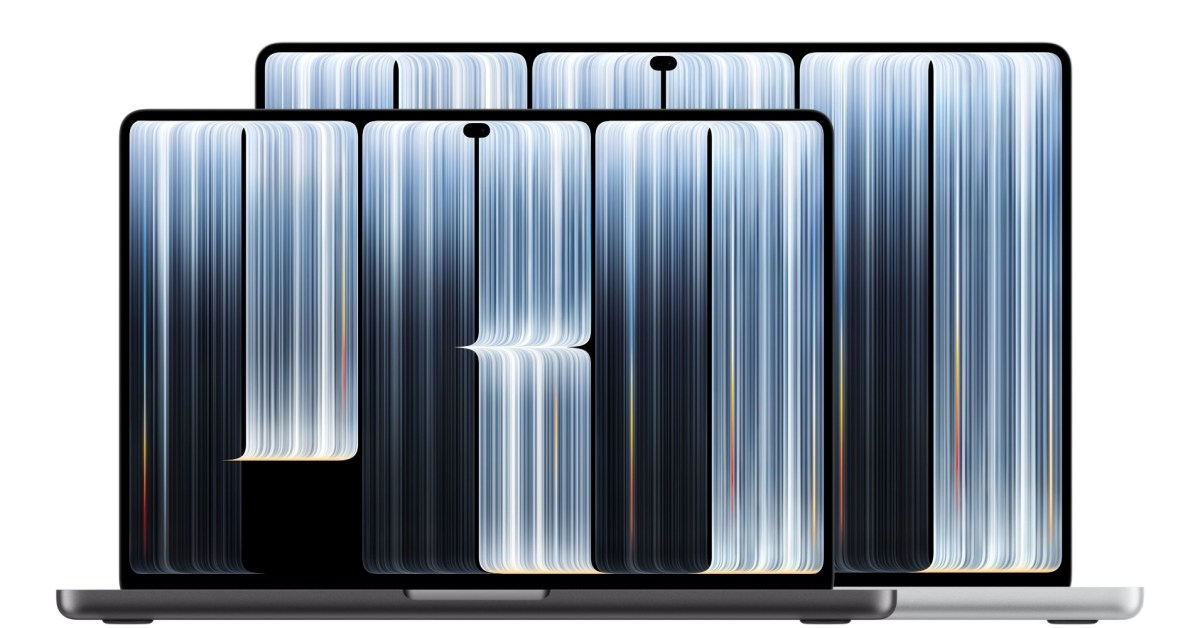
Apple Introduces First Touchscreen MacBook Pro
Apple has announced an all-new MacBook Pro that brings touch input to the Mac for the first time, paired with a PROLED XDR display, a light-up Apple logo and a thinner, lighter chassis. The company unveiled the high-end laptop as part of a broader week of Mac and iPad updates, with Apple CEO John Ternus presenting the first look at the machine. The new model sits above the existing MacBook Pro lineup and targets professional users who want more flexible input, brighter HDR visuals and updated M-series performance in a redesigned enclosure.
The launch marks a significant shift for Apple. The Mac has long relied on the keyboard, trackpad and mouse, while touch became central to the iPhone and iPad. By adding touch to the MacBook Pro, Apple is not replacing those established controls but adding a new layer of interaction designed specifically for professional workflows.
Key facts at a glance
- Apple announced an all-new MacBook Pro with a PROLED XDR display and touch input.
- The laptop is the first touchscreen Mac.
- It features a light-up Apple logo, tandem OLED technology and a thinner, lighter design.
- It uses M5 Pro and M5 Max chips, matching the performance tier of existing MacBook Pro models.
- The 14-inch model starts at $2,899; the 16-inch model starts at $3,399.
- Pre-orders begin today, with deliveries starting November 6.
- Colors include silver and space black, with standard or nano-texture display options.
- The notch is replaced by Dynamic Island, which hosts Spotlight, Live Activities and Siri AI.
- Configuration options reach up to 128GB of unified memory and 16TB of SSD storage.
- Peak HDR brightness rises from 1,600 nits to 2,000 nits.
- The new design remains limited to Touch ID, with no Face ID or built-in cellular option announced.
PROLED XDR and the touch experience
The centerpiece of the announcement is the PROLED XDR display, which replaces Mini-LED as the MacBook Pro's display technology. Apple says the new panel uses tandem OLED and delivers higher peak brightness for HDR content, rising from 1,600 nits to 2,000 nits. The display also supports touch, making this the first Mac notebook designed for direct on-screen interaction.
Apple describes touch as a new way for professionals to work with content. Users can scroll through a webpage with a swipe, pinch to zoom on a photo, drag and drop slides between presentations, double-tap a window to fill the screen or flick to tile it into place. The company says the touch sensor is built directly into the display panel rather than layered on top, which reduces latency and makes interactions feel closer to the content itself.
The company is also positioning touch as complementary to the keyboard and trackpad rather than a replacement. Graphic designers can use the full display as a canvas instead of being limited to the trackpad area when drawing. Musicians can play software instruments directly onscreen. App developers can test how touch behaves in iOS and iPadOS apps on the MacBook Pro display. Apple says these workflows work alongside familiar keyboard shortcuts and trackpad gestures.
Design, hinge and Dynamic Island
Apple has redesigned the MacBook Pro to be thinner and lighter than the standard models in the same size configuration. The 14-inch model weighs 3 pounds even, down from 3.5 pounds, and measures 0.59 by 12.24 by 8.52 inches compared with 0.61 by 12.31 by 8.71 inches previously. The 16-inch model weighs 4 pounds even, down from 4.7 pounds, with dimensions of 0.63 by 14 by 9.62 inches compared with 0.66 by 14.01 by 9.77 inches.
The new hinge is a notable part of the redesign. Apple says it provides greater stability while using touch, addressing one of the practical concerns that comes with pressing on a laptop display. The company also says advanced video stabilization automatically smooths the camera feed in real time while using touch on a video call, a feature aimed at maintaining image quality when the display is touched during online meetings.
The MacBook Pro also adopts Dynamic Island in place of the notch. On the Mac, Dynamic Island serves as the home for Spotlight, Live Activities and Siri AI. The change brings a familiar iPhone design element to the Mac while preserving the camera and sensor area at the top of the display.
Performance and configuration
The new MacBook Pro runs on M5 Pro and M5 Max chips, the same chip families used in the existing MacBook Pro models that lack OLED touch displays. Apple is not separating the new touchscreen model with a new generation of silicon; instead, the distinction comes from the display, touch input, design and added features. The laptops can be configured with up to 128GB of unified memory and 16TB of solid-state drive storage.
That configuration range puts the new machine in the same high-end territory as previous MacBook Pro generations. The M5 Pro and M5 Max chips are aimed at video editors, developers, 3D artists, photographers and other users who need sustained performance across demanding workloads. Because the performance is described as roughly on par with the existing M5 Pro and M5 Max models, buyers choosing the new version are primarily paying for the display, touch input, lighter design and features such as Dynamic Island and the glowing logo.
Pricing, availability and the existing lineup
Pricing for the new laptop starts at $2,899 for the 14-inch model. The 16-inch version starts at $3,399. Pre-orders are available starting today, with deliveries beginning November 6. Color options include silver and space black, and buyers can choose standard or nano-texture display configurations.
Apple is keeping the existing MacBook Pro configurations from March in the lineup at the same prices. Those models retain M5 Pro and M5 Max chips but do not include OLED, the glowing Apple logo or the thinner and lighter design. Performance is described as pretty much on par between the versions, so the decision for buyers comes down to whether the new display and touch features are worth the premium.
The launch comes alongside other Apple announcements this week, including a redesigned iPad mini, an M6 iMac and an M6 14-inch MacBook Pro. Earlier in March, Apple upgraded the standard 14- and 16-inch MacBook Pro laptops to the current M5 Pro and M5 Max chips. The new touchscreen model therefore expands the MacBook Pro family rather than replacing every configuration at once.
Why touch on the Mac matters
Touch input has been one of the most persistent questions in Apple's Mac strategy. The iPhone and iPad made multi-touch a mainstream computing interface, but the Mac remained resistant to touch for years. Apple has argued that macOS is designed around indirect input, with the trackpad and keyboard serving as the primary tools. The new MacBook Pro changes that stance by adding touch without removing the established controls.
The approach reflects a broader convergence between Apple's platforms. Developers already build apps for touch on iPhone and iPad, and the new MacBook Pro gives them a way to test touch behavior directly on a Mac. Creative professionals who use tablets and touch-enabled displays may also find the new machine more flexible for sketching, editing and music production. At the same time, the keyboard and trackpad remain central, which suggests Apple is treating touch as an additional input method rather than a wholesale redesign of macOS.
The new hinge and video stabilization features show that Apple has considered the physical and practical implications of touch on a laptop. Pressing on a display can cause movement, and using touch during a video call can introduce camera shake. By addressing those details, Apple is trying to make touch feel native rather than bolted on.
What remains unchanged
The new MacBook Pro still uses Touch ID and does not offer Face ID. Apple also has not announced built-in cellular models for the new laptop. Those omissions leave room for future updates, but for now the new machine focuses on display technology, touch input, design and performance rather than biometric or connectivity changes.
The glowing Apple logo returns after years of absence from notebook hardware. Apple previously used a glowing logo on its notebooks until the 12-inch MacBook and the 2016 MacBook Pro. Its return on the new MacBook Pro is a visible design callback, pairing nostalgia with the modern touchscreen and OLED display.
With pre-orders opening today and deliveries beginning November 6, the new MacBook Pro will quickly face comparisons with the existing M5 Pro and M5 Max models. The key questions will be how useful touch proves in daily professional work, how the PROLED XDR display performs in bright HDR content and whether the thinner, lighter design justifies the higher starting price. The new MacBook Pro remains limited to Touch ID and Wi-Fi connectivity, with no Face ID or built-in cellular option announced.
Source: 9to5Mac News