

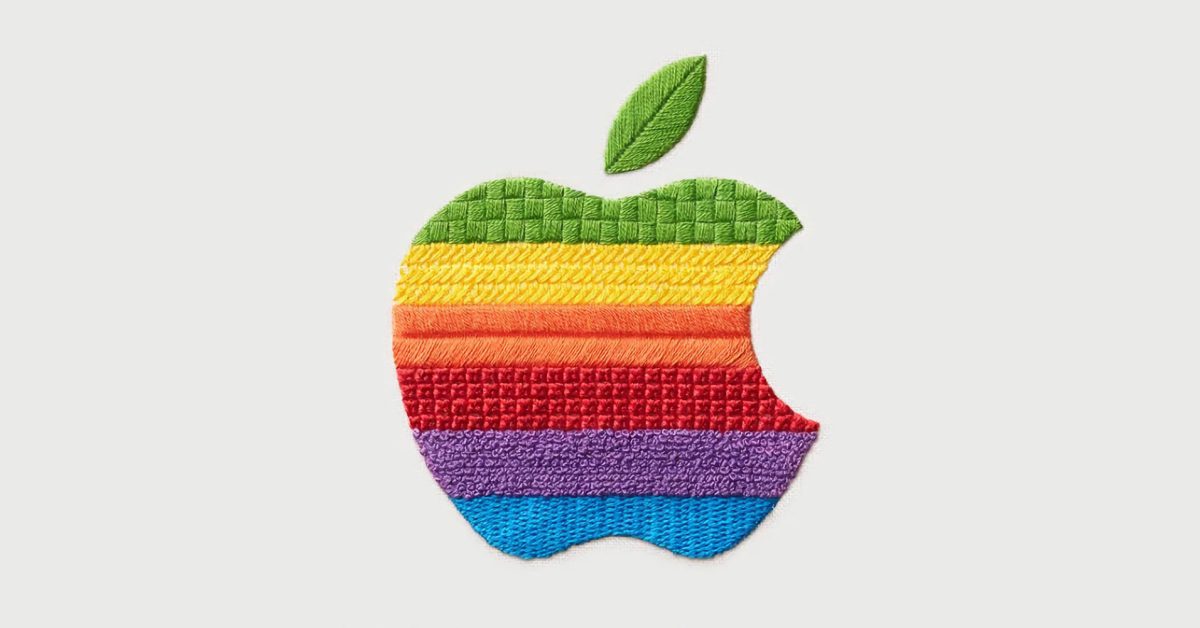
Apple has announced a special event scheduled for Tuesday, October 13, with the tagline 'Welcome home.' The event is expected to focus on the company's home ecosystem, including new Apple TV, HomePod, and smart display products. Invitations went out to press for an 'Apple Experience' at 9:00 a.m. ET in Tribeca, New York. The teaser suggests Apple is ready to refresh several home-focused devices at once.
What Apple is expected to announce
According to reports and rumors, Apple is expected to launch several new Home products at the event, including:
- New Apple TV 4K
- 'HomePad'
- HomePod mini 2
Apple may also unveil leaked LG home accessories that the two companies have reportedly co-developed. These could include smart home sensors, cameras, or other HomeKit-compatible devices. The event tagline 'Welcome home' strongly hints at a home-centric product lineup rather than new iPhones, iPads, or Macs.
Event details and format
Apple's marketing chief teased the date in a short video, and press invites followed for a special 'Apple Experience' in Tribeca, New York at 9:00 a.m. ET. The format is similar to an event earlier this year for the MacBook Neo, which used a smaller press gathering rather than a large keynote. At that time, the unveiling followed multiple days of product launches via press releases. For this October event, expectations are that all of Apple's new home products will debut on the same day.
It remains unclear whether Apple will release a full-length video presentation online at 9:00 a.m. ET or rely on hands-on demos and press briefings. The company has increasingly used varied formats for product launches, including pre-recorded keynote videos, press releases, and in-person experiences. The Tribeca location and the 'Apple Experience' branding suggest a more intimate, press-focused event with hands-on time for media.
Background: Apple's long road to the smart home
Apple has been involved in the smart home for years, but its presence has often been seen as more fragmented than competitors like Amazon and Google. HomeKit launched in 2014 as a framework for controlling compatible accessories through Siri and the Home app. The platform allowed users to control lights, locks, thermostats, and other devices, but it required manufacturers to adopt Apple's strict security and privacy requirements. That approach helped Apple avoid some of the privacy issues that affected other smart home platforms, but it also slowed adoption.
In 2018, Apple released the original HomePod, a high-end smart speaker focused on audio quality and Siri integration. The device was praised for its sound but criticized for its high price and limited functionality compared with cheaper competitors. Apple discontinued the original HomePod in 2021 and shifted attention to the HomePod mini, a smaller and more affordable speaker released in 2020. The HomePod mini helped Apple gain more traction in the smart speaker market, especially among users already invested in the Apple ecosystem. In 2023, Apple brought back a larger HomePod with a second-generation model, adding improved sound and smart home features like temperature and humidity sensors.
The Apple TV has followed a similar iterative path. The first Apple TV 4K launched in 2017, followed by updated models in 2021 and 2022. Each generation brought faster processors, better remote controls, and support for higher frame rates and HDR formats. The Apple TV has become a central hub for HomeKit, Matter, and Thread, allowing users to control smart home devices and automate routines. A new Apple TV 4K would likely bring a faster chip, improved gaming performance, and deeper integration with Apple's smart home platform.
What a 'HomePad' could mean for Apple
The rumored 'HomePad' is perhaps the most intriguing product expected at the event. Reports have suggested Apple is working on a smart display that could serve as a central control panel for the home. Such a device would compete with Amazon's Echo Show and Google's Nest Hub, but with Apple's typical focus on privacy, integration, and design. A HomePad could run a variant of iPadOS or a new homeOS, offering FaceTime, Apple Music, HomeKit controls, and Siri interactions. It might also mount on a wall or attach to a speaker base, turning it into a hybrid tablet and smart home hub.
If Apple launches a HomePad, it would represent a significant expansion of the company's home strategy. Instead of relying on iPhone, iPad, and Apple TV as the primary interfaces for HomeKit, Apple would offer a dedicated device for the home. That could help Apple compete more directly with Amazon and Google, which have long dominated the smart display category. It could also create new opportunities for developers to build home-centric apps and experiences.
HomePod mini 2 and the audio ecosystem
A second-generation HomePod mini has been rumored for some time. The original HomePod mini was released in 2020 and has not received a major hardware update since. A new model could feature a faster chip, improved sound, new colors, and better integration with Apple's U1 or U2 ultra-wideband technology. It might also support newer Wi-Fi standards and improved handoff features. For Apple, the HomePod mini is an entry point into the home audio ecosystem, and a refresh could help it stay competitive with cheaper smart speakers from Amazon and Google.
Apple's audio strategy has expanded beyond speakers. AirPods, Beats, and HomePod devices all work together through features like AirPlay, Handoff, and Find My. A new HomePod mini could strengthen that ecosystem by offering better multi-room audio, lower latency, and improved voice recognition for Siri. It could also serve as a Thread border router and Matter controller, making it easier for users to build a smart home with compatible accessories.
LG partnership and the broader smart home market
The leaked LG home accessories could be another key part of the event. Apple has reportedly co-developed certain smart home products with LG, which already manufactures many HomeKit-compatible devices. These accessories might include smart cameras, sensors, or appliances that integrate deeply with Apple's Home app. A closer partnership with LG could help Apple expand its smart home footprint without having to build every device itself.
The smart home market is increasingly crowded. Amazon's Alexa and Google's Assistant have become common in households, and both companies offer a wide range of low-cost devices. Apple has taken a different approach, emphasizing privacy, security, and premium design. That strategy has won loyal customers but has not made Apple the leader in the category. A new lineup of home products could help Apple close the gap by offering a more cohesive experience for users who already own iPhones, iPads, and Macs.
Matter and Thread are also changing the smart home landscape. Matter is a new interoperability standard that allows devices from different brands to work together, while Thread is a low-power mesh networking protocol designed for smart home devices. Apple has been a major supporter of both standards, and its devices can act as Matter controllers and Thread border routers. A new Apple TV and HomePod mini would likely strengthen that role, making Apple's hardware the backbone of many smart homes.
What to watch on October 13
The October 13 event will be closely watched for several reasons. First, it will reveal whether Apple is ready to commit to a more ambitious home strategy. Second, it will show how Apple positions its devices against Amazon and Google. Third, it will indicate whether Apple plans to release a dedicated smart display or continue relying on existing products. Finally, it will clarify how Apple's home products fit into its broader hardware and services ecosystem.
Apple's invitation-only 'Apple Experience' suggests the company wants media to get hands-on time with the new products. That could mean the event is less about spectacle and more about demonstrating real-world use cases. If Apple can show that its home devices work seamlessly together, it could make a strong case for users to invest in its ecosystem. If the products feel like minor updates, however, Apple may struggle to stand out in a market where competitors are already aggressive.
The event is scheduled for Tuesday, October 13 at 9:00 a.m. ET in Tribeca, New York. Apple is expected to launch a new Apple TV 4K, a HomePad, a HomePod mini 2, and possibly LG smart home accessories. The tagline 'Welcome home' leaves little doubt that the company's home strategy is front and center. For Apple users, the event could mark the beginning of a more unified and capable smart home experience.
Source: 9to5Mac News