

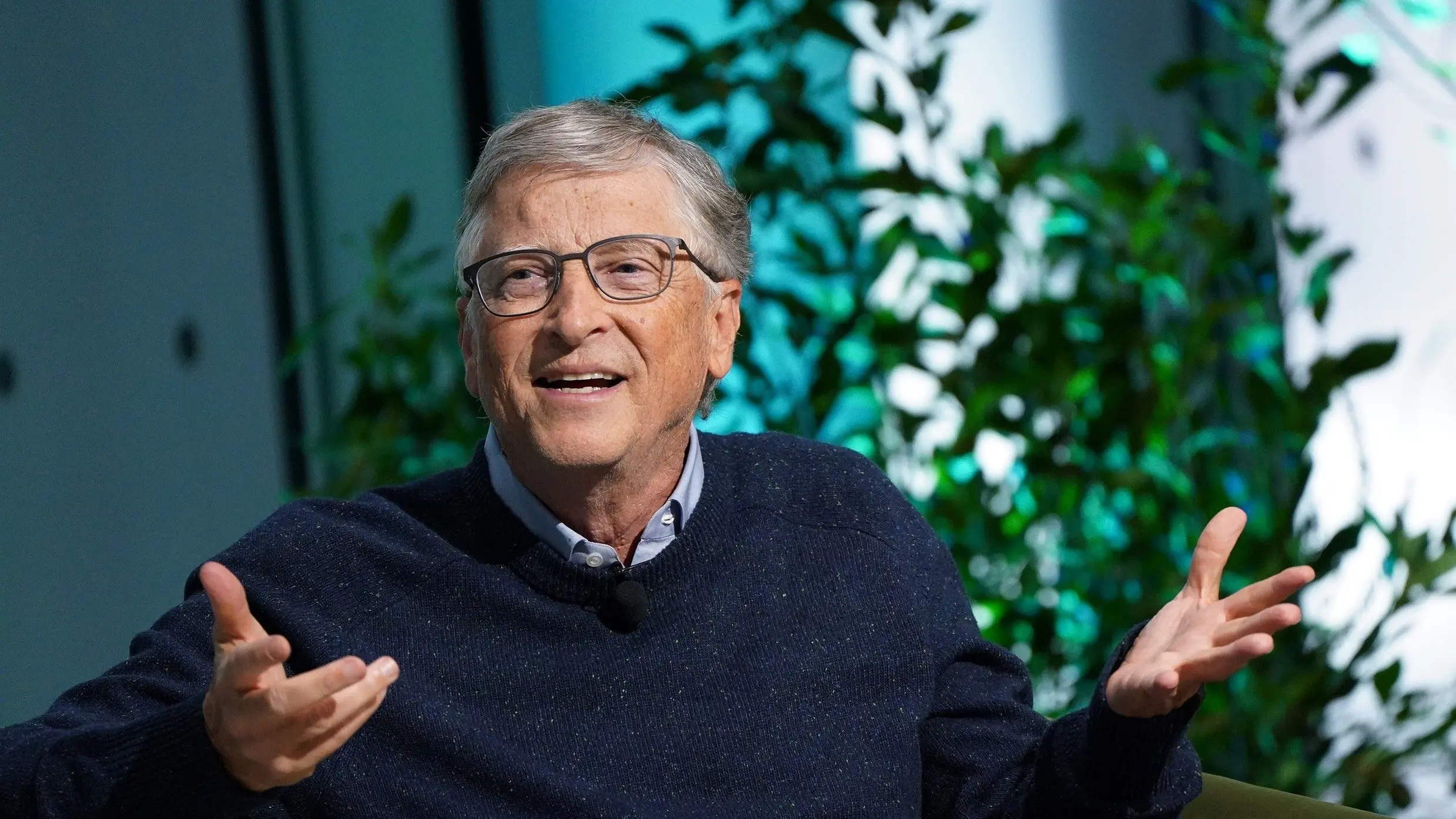
Bill Gates, the co-founder of Microsoft and one of the most vocal advocates of artificial intelligence, recently made a statement that cuts to the heart of the ongoing debate about automation and human employment. In a public discussion, Gates said that while AI will undoubtedly replace a lot of jobs across various industries, it will never replace athletes. His reasoning was simple: no one wants to watch computers play sports. This assertion touches on the fundamental nature of sports as a human endeavor, one that relies on physicality, emotion, unpredictability, and the sheer drama of human achievement.
The conversation around AI and job displacement has been intensifying for years. From manufacturing to customer service, from data analysis to creative writing, machines are increasingly capable of performing tasks that were once the exclusive domain of humans. Gates himself has been a prominent voice, warning that AI could eliminate jobs like accounting or call‑center work. Yet, when it comes to the world of professional sports, he draws a firm line. The reason is not a technical limitation but an audience preference. People watch sports to see human beings push their physical limits, to witness moments of courage, failure, and triumph that are inherently human. A computer‑generated simulation, no matter how perfect, cannot replicate the emotional investment that fans have in real athletes.
The history of sports is filled with examples of why the human element is irreplaceable. Consider the Olympic Games, where athletes dedicate their lives to perfecting their craft, often overcoming immense personal obstacles. The story of Jesse Owens in 1936, or the miracle on ice in 1980, or the countless underdog victories in soccer, basketball, and tennis—these narratives rely on the fact that the performers are human, with all the flaws and vulnerabilities that come with it. AI can generate a perfect basketball shot every time, but it cannot experience the pressure of a game‑winning free throw or the joy of a last‑second goal. The unpredictability of human performance is what makes sports compelling.
Gates’ remark also reflects a deeper understanding of what AI can and cannot do. While AI excels at pattern recognition, data processing, and even creative tasks like generating art or music, it lacks consciousness, emotion, and physical embodiment. Sports are fundamentally physical activities that require a body to move, to sweat, to feel pain and exhaustion. Even the most advanced robots cannot replicate the nuanced movements of a gymnast or the strategic instincts of a quarterback. Moreover, the rules of sports are designed for human capabilities, and altering them to suit machines would change the nature of the game entirely.
There have been attempts to create AI‑driven sports simulations, such as in video games like the FIFA series or NBA 2K. While these can be entertaining, they are not a replacement for live sports. The passion of fans chanting in a stadium, the sight of a player crying after a victory, the tension of a close match—these are experiences that cannot be digitized. Gates is essentially pointing out that the value of sports lies in their authenticity. People do not want to watch a perfectly executed algorithm; they want to see a human being achieve something remarkable against all odds.
Beyond entertainment, the role of athletes in society is also unique. They serve as role models, inspirations, and symbols of human potential. When Serena Williams wins a Grand Slam after returning from childbirth, or when Cristiano Ronaldo defies age with his athleticism, they inspire millions. AI cannot inspire in the same way because it is not a living being with a story. The narrative of an athlete’s journey—filled with sacrifice, training, injury, and comeback—is a story that resonates deeply with people. This is something that Gates, a lifelong sports fan himself, appreciates.
It is worth noting that AI is already being used in sports in many ways, such as analyzing player performance, optimizing training regimens, and even officiating. But these applications are tools to enhance human performance, not replace it. Coaches use AI to develop game strategies, but the execution still relies on human players. Referees use goal‑line technology, but the drama of a controversial call remains. So while AI will continue to transform sports behind the scenes, it will never take the field.
The implications of Gates’ statement extend beyond sports. It speaks to a broader question: Which jobs are safe from automation? The answer may lie in roles that require human connection, physical presence, and emotional engagement. Jobs like nursing, counseling, teaching, and, yes, professional athletics—these involve a level of human interaction that machines cannot replicate. Even if AI can diagnose diseases or teach lessons, it cannot replace the empathy of a doctor or the inspiration of a teacher. Similarly, sports are not just about winning; they are about community, identity, and shared experience.
Bill Gates has been involved in various philanthropic ventures that emphasize human potential, such as the Gates Foundation, which works on global health and education. His view on athletes aligns with his belief that human beings should focus on areas where they have a comparative advantage over machines. He has encouraged people to pursue careers that involve creativity, empathy, and physical presence. In that sense, his comment is not just about sports but about the future of work itself.
As AI continues to advance, it is likely that more jobs will be automated, but the essence of what makes us human—our bodies, our emotions, our stories—will remain valuable. Sports, with their raw physicality and emotional depth, stand as a testament to that. The day when people prefer to watch a simulated game over a live one is hard to imagine. The roar of the crowd, the sweat on an athlete’s brow, the tears of defeat—these are the things that make sports unforgettable. And as long as humans crave that connection, athletes will have a place that no computer can fill.
Bill Gates’ observation serves as a reminder that the AI revolution, while transformative, will not eradicate all forms of human endeavor. It will create new opportunities and challenges, but it will also leave room for the uniquely human activities that define our culture. In a world increasingly shaped by technology, sports remain a beautiful, messy, and irreplaceable arena of human achievement.
Source: Windows Central News