

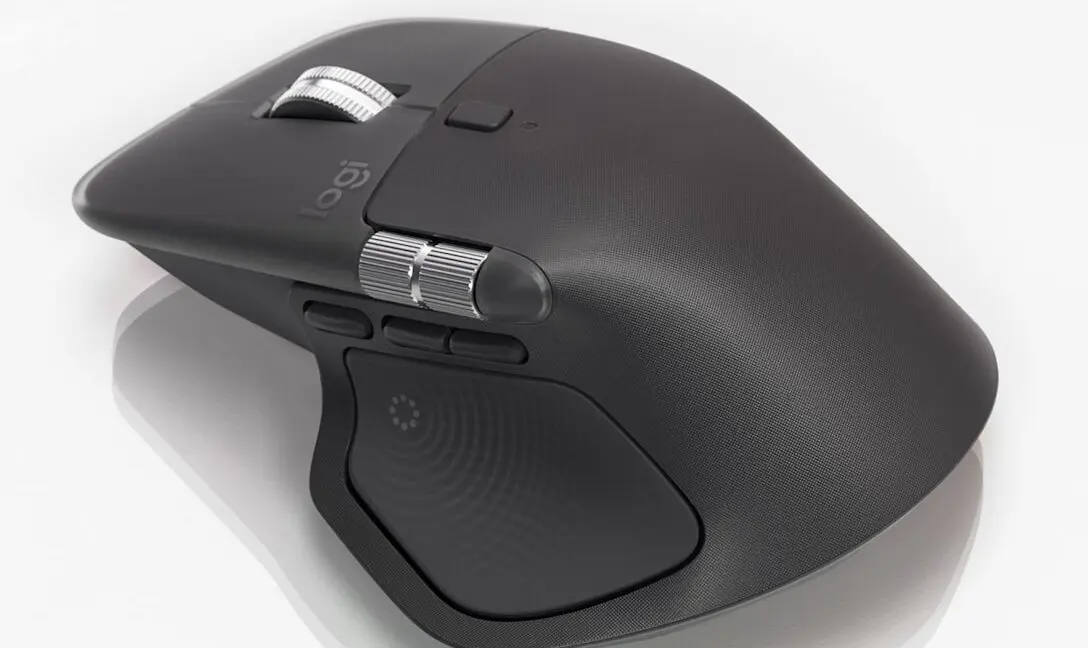
Logitech is facing a proposed class action lawsuit over its decision to raise prices on computer mice and other accessories in response to import tariffs that the U.S. Supreme Court later declared unlawful. The company, according to the complaint, has kept the extra tariff-linked revenue collected from customers while also receiving a refund from the federal government for the same tariffs. The lawsuit asks the court to require Logitech to pass that refund money on to consumers who paid the higher prices.
Tariff-Related Price Hikes
In April 2025, Logitech raised prices on 51 percent of its product portfolio. Some prices increased by as much as 25 percent. The company did not make a public announcement about the increases, and the prices remain in effect. According to the lawsuit, the price hikes were tied to tariffs imposed under the International Emergency Economic Powers Act, or IEEPA, a law that gives the president broad authority to regulate certain economic transactions.
The named plaintiffs, SJK Development, a California construction and residential housing builder, and California resident Ala Awadalla, bought Logitech mice during the period when the higher prices were in effect. They say that if Logitech had not inflated prices in response to the unlawful tariffs, they would have paid less for those products. The complaint also states that the plaintiffs received no refund, credit, or other compensation matching the tariff portion of the price they paid.
The case was filed Tuesday in the U.S. District Court for the Northern District of California, San Jose Division. Plaintiffs are seeking a declaratory judgment that Logitech must hand over the IEEPA tariff refund proceeds it received from the federal government. The lawsuit describes Logitech as having been enriched twice over: once by collecting tariff-justified overcharges from customers and again by receiving a refund, with interest, from the government for the same duties.
Executives Discussed Price Increases With Investors
Logitech may not have publicized the price changes, but company leaders were clearly focused on them. The complaint points to statements executives made to investors about how the price increases helped offset the financial impact of tariffs. In May, Logitech CFO Matteo Anversa said on a call, “The positive impact of the US price actions and favorable foreign exchange more than offset the impact of tariffs and higher promotions.” Anversa was discussing Logitech’s fiscal fourth quarter of 2026, which he described as the highest level of profitability in the history of the company outside of the COVID peak.
Those remarks undercut any argument that Logitech needed to keep the extra money to remain profitable after tariffs, the complaint suggests. Instead, the company’s own disclosures show that tariff-related price increases did more than cover the tariff costs. The term “more than offset” is central because the lawsuit asks the court to trace the tariff-related portion of customer payments to the refund Logitech later received from the federal government.
The Supreme Court’s Ruling and the Government Refund
The tariffs at issue were imposed during the Trump administration under IEEPA. In February, the U.S. Supreme Court ruled that the president had used IEEPA unlawfully to impose those tariffs. The ruling meant that importers were entitled to refunds for duties paid under the invalid tariff regime. The refund process has been underway since the decision.
Logitech, according to the complaint, received a full refund of $61 million for the tariffs invalidated by the Supreme Court. That total includes $15 million received during the first quarter of fiscal year 2027 and $46 million received after the close of that quarter. The company has not indicated that any portion of that money will be shared with the customers who paid higher prices because of the tariffs.
From the plaintiffs’ perspective, allowing Logitech to keep both the customer overcharges and the government refund would result in a windfall. The complaint says that, absent relief, Logitech will continue to be enriched at customers’ expense. Customers, by contrast, are left without a remedy even though the company that collected the money has been made whole by the government.
A Growing List of Consumer Tech Lawsuits
Logitech is not the only tech company facing this type of litigation. Similar proposed class actions have been filed against Microsoft, Nintendo, and Sony. The cases generally follow the same pattern: a company raised prices when IEEPA tariffs went into effect, the Supreme Court struck down the tariffs, and the company then received a refund from the government without passing any money back to consumers. Customers argue that they should be entitled to the tariff portion of the price increase because the legal justification for that increase was erased by the court.
The companies have responded differently. Nintendo has argued in court that customers received exactly what they paid for and that there is nothing unjust about Nintendo retaining money it may receive from the government as tariff refunds. Nintendo also filed a motion to compel arbitration, arguing that the dispute is covered by the arbitration clause in its user agreement. Logitech may follow a similar path. Its end-user license agreement contains arbitration provisions, which could affect whether customers can pursue claims in federal court or must go through individual arbitration.
Legal observers expect the defendants in these cases to raise several defenses. One likely argument is that the court’s tariff ruling does not automatically invalidate all prices set during the tariff period. Another is that customers bought products, got the products, and therefore received the benefit of the bargain. There is also a significant question about whether consumer prices can be traced to specific tariff duties, since companies set prices based on many factors, including supply and demand, exchange rates, and competition.
The new Logitech complaint tries to address some of those concerns by pointing directly to what the company told investors. If Logitech executives have said that price increases were designed to offset tariffs and that they worked, the plaintiffs may argue that Logitech itself identified the source of the extra revenue. The refund, in that view, simply represents the return of money customers were charged for a purpose that was later declared unlawful.
Arbitration and Practical Hurdles
The legal path for any refund is likely to be complicated, even if the plaintiffs win. A class action over small amounts per product can be unwieldy, especially if the court must determine how much of each sale was tariff-related. Logitech sells a wide range of products, including keyboards, webcams, video-conference equipment, and gaming gear, and not all products carried the same price increase. The percentage of the price attributable to tariffs may vary by product, manufacturing location, and date of sale.
There is also the possibility of arbitration. If Logitech moves to compel arbitration based on the terms of use that accompany its software or device setup, the class action may be stalled while the court decides whether the claims are arbitrable. Similar motions are already pending in other consumer tech tariff lawsuits, so the outcome of those motions could shape how the Logitech case proceeds.
For consumers, the practical stakes might be relatively small on an individual level. A tariff refund for one mouse might amount to a few dollars. But across millions of Logitech devices sold during the period, the total could reach tens of millions of dollars, which is exactly why the proposed class seeks to centralize the claims. The complaint’s proposed class would include all U.S. consumers who bought certain Logitech products at the higher tariff-influenced prices.
Logitech’s Silence and What Comes Next
Logitech has not publicly responded to the lawsuit, and the company did not immediately return requests for comment. The company has not changed its pricing since the Supreme Court decision, according to the complaint, and no refund program has been announced. The case adds another layer of uncertainty for a company that has been navigating a difficult tariff cycle while reporting record profits.
The plaintiffs may face an uphill battle, but the lawsuit reflects a broader consumer movement that has emerged after the Supreme Court’s tariff ruling. A similar wave of litigation followed the ruling, and more cases could be filed against other hardware makers and retailers. The central question is not whether the tariffs were unlawful, but who benefits from the government refund after the tariffs have been reversed.
The court has yet to rule on Logitech’s obligations. Until then, customers who paid higher prices for mice and other peripherals will have to wait to see whether the refund money will reach them, remain with Logitech, or be split through some settlement mechanism.
Source: Ars Technica News