
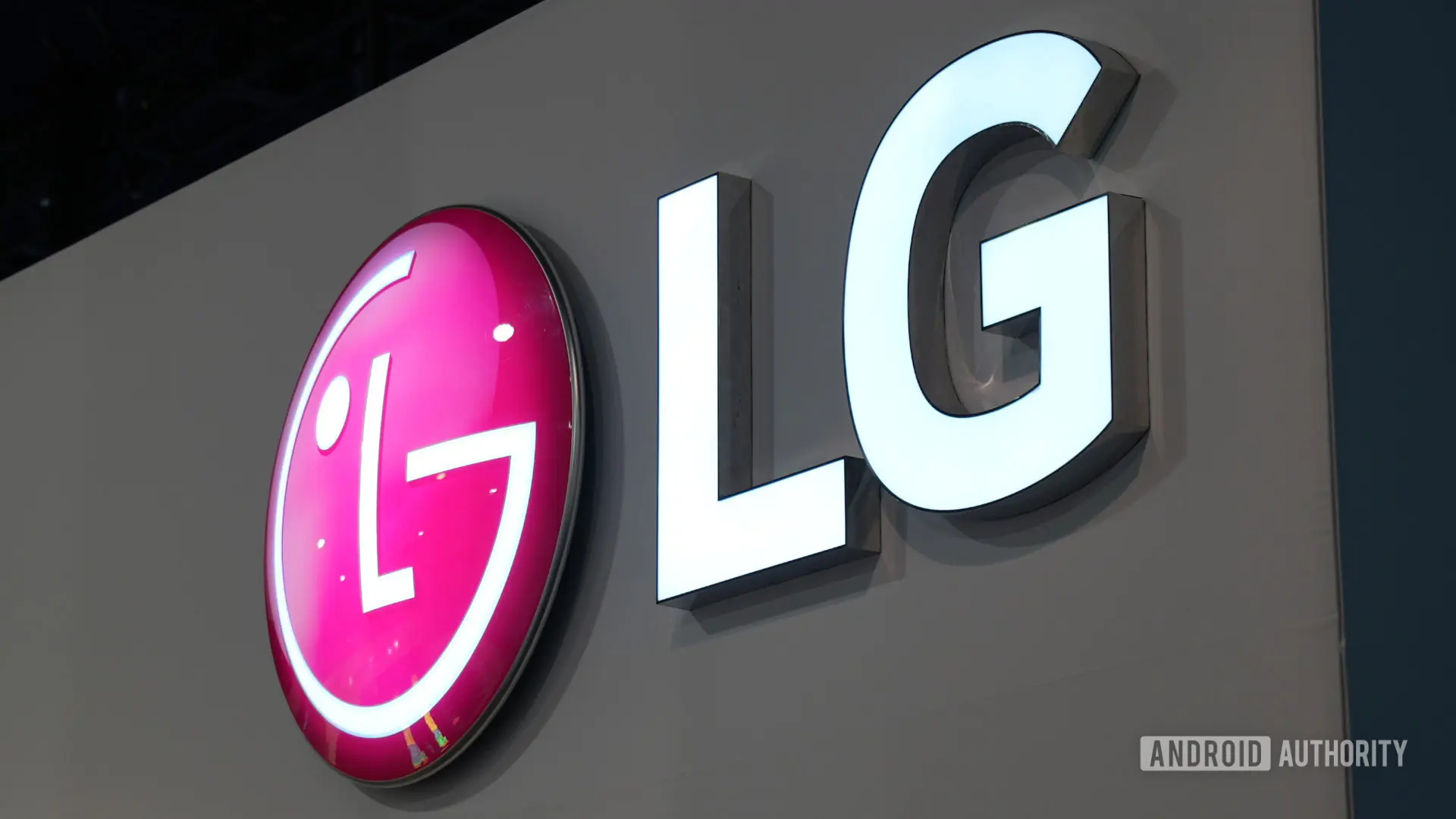
In a move that highlights the ongoing tension between user convenience and unwanted software, Microsoft executive Pavan Davuluri announced that LG has agreed to disable the McAfee pop-up that plagued users of certain LG monitors. The pop-up appeared as part of an automatically downloaded and installed application called the LG Monitor App Installer, which sparked widespread criticism when it was first reported by the technology outlet Gamers Nexus.
The incident began when users discovered that connecting specific LG monitors—including the high-end UltraGear 34GX900A-B, which retails for $1,200—to a Windows PC triggered an automatic download and installation of the LG Monitor App Installer. This program then displayed a McAfee antivirus pop-up every time the computer started up. For many, this was an unwelcome surprise, as monitors have traditionally been plug-and-play devices that require no additional software to function correctly.
A Case of Unwanted Adware
Bloatware, often referred to as crapware or junkware, has long been a nuisance for PC users. Manufacturers preload systems with trial versions of software, advertisements, or utility programs that many consumers consider unnecessary or even intrusive. The LG monitor case took this practice a step further: the software was not preinstalled on the PC but automatically pushed to the machine via the Windows Update mechanism when the monitor was connected. This method effectively bypasses the user's choice, as it occurs without any prompt or consent.
The McAfee pop-up within the LG app was particularly problematic because it appeared at startup, interrupting the user's workflow. For those who already had a different antivirus solution or simply preferred not to use McAfee, the pop-up was not only intrusive but also suggested a partnership that had not been agreed upon by the user. The pop-up likely promoted McAfee's services, adding an advertising layer to a product that should have remained silent in the background.
Microsoft's Response and LG's Concession
Pavan Davuluri, a Microsoft executive whose responsibilities include Windows experiences, took to X (formerly Twitter) to confirm that LG would disable the McAfee pop-up. The announcement was brief but significant: it showed that Microsoft was aware of the issue and had intervened with its hardware partner. However, critics noted that the concession only addressed the symptom, not the root cause. The LG Monitor App Installer would presumably still be downloaded and installed automatically, but without the McAfee pop-up.
On the surface, this seems like a win for consumers. The pop-up that annoyed so many users will be removed, and LG has demonstrated a willingness to respond to feedback. Yet, the core issue remains: LG's monitor software is installed without explicit user consent. The Windows driver installation mechanism, designed to make peripherals work seamlessly, is being exploited to push additional software. This raises questions about the boundaries of such installations and whether users have any control over what gets added to their systems.
The Larger Problem of Unsolicited Software
The LG monitor saga is not an isolated incident. Similar controversies have erupted around other hardware manufacturers. Lenovo's Superfish scandal in 2015 involved preinstalled adware that injected advertisements into HTTPS connections, compromising security. Dell faced backlash for installing eDellRoot, a self-signed root certificate that could be used to alter encrypted traffic. Both examples involved software that was installed without the user's full understanding and that posed security risks.
In the case of LG, the McAfee pop-up may not have been a security vulnerability in itself, but the automatic installation of any software carries inherent risks. Users may end up with applications they do not want, consuming storage space, memory, and CPU cycles. Moreover, the privacy policy associated with the LG Monitor App Installer was flagged by Gamers Nexus as overly broad, potentially allowing the collection of data beyond what is necessary for the monitor's operation.
The Windows ecosystem has evolved to include mechanisms like Windows Update for Drivers, which provides hardware manufacturers with a channel to deliver software updates. This is intended to ensure that devices work correctly, but it can be abused. Microsoft has guidelines that restrict the type of software that can be delivered through driver updates. Typically, driver packages should not include applications that display UI elements or require user interaction. The LG Monitor App Installer appears to have violated this principle, which is likely why Microsoft took action.
What Users Can Do
For those affected by the LG monitor issue, there are steps to mitigate the problem. Users can uninstall the LG Monitor App Installer through the standard Windows add/remove programs interface. However, there is a risk that the software could be reinstalled the next time the monitor is connected or after a Windows update. To prevent this, some users have opted to block the driver update through the Windows Update settings or use third-party tools to control which drivers are installed.
Microsoft has not explicitly stated whether it will change the driver update policies to prevent similar incidents in the future. The company's response seems to be limited to pressuring LG to modify its software. This ad hoc approach may not be sufficient to address the broader issue of manufacturers using driver channels to push unwanted software.
The Role of Gamers Nexus
The initial exposure of this problem came from Gamers Nexus, a well-known hardware review outlet. Their investigative reporting uncovered the automatic installation process and the accompanying pop-up. The outlet also mentioned that it was working on a follow-up story with what it described as 'disturbing' findings related to LG products. This suggests that the McAfee pop-up may be just one part of a larger issue. The tech community will be watching closely to see what additional concerns are revealed.
Transparency in hardware and software is increasingly important to consumers. People want to know exactly what their devices are doing, especially when they involve internet connectivity and data collection. The LG monitor case serves as a reminder that even simple peripherals can introduce complexity into a PC environment, and that vigilance is required to maintain control over one's system.
Windows and Peripheral Makers: A Delicate Balance
Microsoft's relationship with hardware partners is crucial to the Windows platform's success. Peripheral makers rely on Windows to provide a seamless user experience, and Microsoft benefits from a broad ecosystem of devices that 'just work' when plugged in. However, this trust can be eroded when partners abuse the system.
Historically, the line between a necessary driver and additional software has been fuzzy. Some monitor utilities provide legitimate functionality, such as color calibration, screen splitting, or OSD (on-screen display) adjustments. LG's Monitor App Installer likely includes such features. The problem is the method of delivery and the inclusion of third-party advertisements. If LG wanted to offer a useful utility, it could have provided a link on its website or offered the software through a voluntary download. Forcing installation via a driver update is a power move that many users resent.
Apple's approach with macOS and peripherals is often cited as a contrast. While Apple controls both hardware and software tightly, third-party accessories rarely auto-install applications. On Windows, the open nature of the platform encourages innovation but also opens the door to these types of issues. Microsoft may need to update its driver certification requirements to explicitly prohibit the installation of UI elements, pop-ups, or promotional content through driver packages.
The LG case also highlights the need for clearer communication from Microsoft about what driver updates can contain. Many users are unaware that connecting a new monitor can trigger software installations. A simple notification asking for permission before installing an application would go a long way toward restoring user trust. Such a prompt could explain the purpose of the software and allow the user to decline without affecting basic monitor functionality.
As the technology landscape evolves, the line between necessary software and bloatware continues to blur. Manufacturers are under pressure to differentiate their products in competitive markets, and software features are one way to stand out. However, they must balance innovation with respect for user choice. The LG and Microsoft agreement to remove the McAfee pop-up is a step in the right direction, but it should not be the end of the conversation. Users deserve to know exactly what their hardware is doing and to have control over what gets installed on their machines.
The next chapter of this story will likely involve regulatory scrutiny. Consumer protection agencies in various jurisdictions have begun to examine preinstalled software and automatic installations. If manufacturers continue to push unwanted software through driver channels, they may face legal consequences. For now, LG users can breathe a small sigh of relief that the pop-up is going away, but they should remain cautious about what else might be lurking on their systems.
Source: Android Authority News