

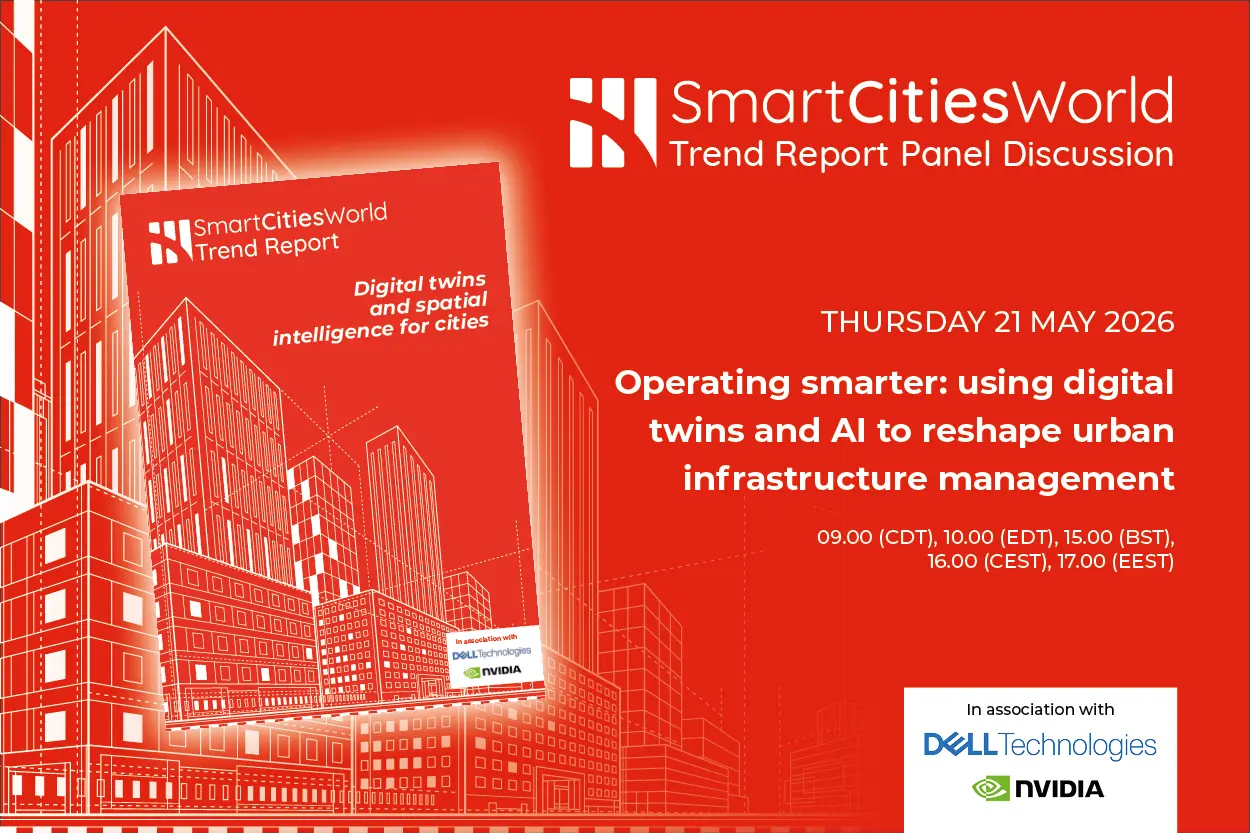
In the rapidly evolving landscape of urban management, cities worldwide are embracing digital twins and artificial intelligence to transform how they operate, maintain, and plan their infrastructure. This shift from reactive maintenance to proactive, data-driven decision-making is enabling municipalities to enhance resilience, optimize resource allocation, and improve quality of life for residents. As highlighted in the SmartCitiesWorld Summit 2026, the convergence of these technologies is reshaping the foundation of urban governance.
The Rise of Digital Twins in Urban Management
Digital twins—virtual replicas of physical assets, systems, or processes—are becoming indispensable tools for city planners. By simulating real-world conditions, these models allow officials to test scenarios, predict failures, and optimize performance without disrupting actual services. For example, a digital twin of a city’s water network can simulate leaks, pressure changes, or contamination events, enabling preemptive repairs and reducing downtime. Similarly, transportation authorities use digital twins to model traffic flow, test new signal timings, and evaluate the impact of autonomous vehicles. The technology’s ability to integrate data from sensors, IoT devices, and historical records provides a holistic view of urban systems, empowering managers to make informed decisions quickly.
AI Enhancing Infrastructure Resilience
Artificial intelligence amplifies the capabilities of digital twins by analyzing vast datasets to uncover patterns, anomalies, and predictive insights. AI algorithms can process real-time data from infrastructure networks—such as bridges, power grids, and public transit—to detect early signs of wear, optimize maintenance schedules, and even automate responses to emerging threats. For instance, AI-driven predictive maintenance can reduce costs by up to 30% while extending asset lifespans. In the context of climate resilience, AI models help cities assess vulnerabilities to extreme weather events, simulate flood scenarios, and design adaptive infrastructure. The combination of digital twins and AI allows for a strategic, risk-based approach that prioritizes resources where they are most needed.
Energy Systems and Local Authority Leadership
Local authorities are leveraging digital twins and AI to reshape energy systems through renewables, flexibility, storage, and smarter networks. By modeling energy demand and supply in real time, cities can integrate distributed energy resources like solar panels and battery storage more effectively. AI enables dynamic pricing, demand response programs, and grid balancing, reducing reliance on fossil fuels. For example, a city might use a digital twin to simulate the impact of adding solar rooftops across neighborhoods, identifying optimal locations based on sun exposure, building orientation, and grid capacity. This data-driven approach accelerates the transition to clean energy while ensuring reliability and affordability for residents.
From Resilience to Regenerative Urbanism
Professor Lily Kong, President of Singapore Management University, offered a forward-thinking perspective at the Summit, urging cities to move beyond simply achieving resilience. She advocates for regenerative urbanism—cities that actively restore ecosystems, enhance biodiversity, and improve community well-being. This concept aligns with the use of digital twins and AI to monitor environmental impacts, track carbon footprints, and design restorative interventions. For instance, digital twins can model green roof installations or urban forest canopies to optimize cooling and air purification. AI can then analyze the resulting data to refine future projects, creating a virtuous cycle of improvement. This regenerative approach goes beyond mere survival to actively enhance the urban fabric.
Climate Finance and Integrated Strategies
A recurrent theme at the SmartCitiesWorld Summit 2026 was the critical role of climate finance in enabling these technological transformations. While digital twins and AI offer powerful tools, their implementation requires significant investment in sensors, data platforms, and skilled personnel. Cities are exploring innovative funding mechanisms, such as green bonds, public-private partnerships, and climate resilience funds. The Summit demonstrated that connecting people, data, infrastructure, and investment into coherent, place-based strategies is essential for success. Systems thinking—recognizing the interdependencies between water, energy, transportation, and housing—helps cities prioritize investments that yield multiple benefits. For example, upgrading a water network with smart sensors not only reduces leaks but also provides data that can inform energy-efficient pumping schedules and flood management.
City in Focus: Sunderland’s Smart Transformation
Sunderland is repositioning itself as a leading smart city by using digital infrastructure and low-carbon innovation to build a resilient, future-focused economy. The city has invested in a fiber-optic network and IoT sensors across public buildings, streetlights, and waste bins. A citywide digital twin allows planners to visualize energy usage, traffic patterns, and air quality in real time. Sunderland’s approach emphasizes citizen engagement, with open data portals and co-creation workshops that involve residents in shaping smart services. The city has also launched a renewable energy district, using AI to manage solar arrays and battery storage, reducing carbon emissions by 20% in the pilot area. These initiatives demonstrate how smaller cities can leverage digital twins and AI to compete with larger metropolises in attracting investment and talent.
City in Focus: Dublin’s Digital Twin Projects
Dublin is innovating to improve experiences and services for its communities through a range of digital twin projects. The Irish capital has developed detailed 3D models of its historic core to simulate pedestrian flows, optimize traffic reduction measures, and plan for economic growth. AI algorithms analyze data from public transport, parking sensors, and social media to predict congestion hotspots and suggest real-time rerouting. Dublin’s digital twin also integrates with emergency services, allowing first responders to navigate incidents more efficiently by simulating road closures and alternative routes. The city’s commitment to open standards ensures that these digital tools are interoperable with other European smart city platforms, facilitating cross-border collaboration and data sharing.
Smart Lighting as a Foundation
Smart lighting networks are emerging as a foundational infrastructure for digital twins and AI applications. By upgrading existing streetlights with connected LEDs and sensors, cities can create a mesh network that collects data on traffic, weather, noise, and air quality. The first episode of Cities Thriving on Lighting explored how global cities are approaching smart lighting and the associated cybersecurity risks. These networks require robust encryption and regular updates to prevent hacking that could disrupt services or compromise privacy. The second episode focused on turning existing streetlight networks into secure, interoperable, and future-proof infrastructure. Standardization of communication protocols, such as Zhaga and TALQ, ensures that sensors and controllers from different vendors can work together seamlessly, enabling cities to scale smart lighting solutions without vendor lock-in.
AI in Transport: Data Foundations and Governance
As transport agencies turn to AI to improve services, the greatest opportunities will depend on strong data foundations, workforce readiness, and responsible governance. Microsoft’s Katherine Flesh emphasized that AI can optimize route planning, schedule adjustments, and maintenance of transit fleets, but only if data is clean, well-labeled, and accessible. Agencies must also invest in training employees to work alongside AI systems, interpreting model outputs and making judgment calls. Privacy concerns require transparent policies on data collection and use, especially when tracking passenger movements. Digital twins of transport networks allow simulations of new services, such as on-demand shuttles or micro-mobility options, before deploying them in the real world. This de-risks innovation and builds public trust.
Ecomondo and the Path Forward
Ecomondo, a leading trade show on green technologies, discussed the priorities shaping healthier, more sustainable cities. The SmartCitiesWorld Summit was praised as a valuable platform for sharing practical solutions and building new connections. Among the topics highlighted were the integration of nature-based solutions with digital tools—for example, using AI to monitor urban forests and calculate their carbon sequestration benefits. Another priority is circular economy initiatives, where digital twins model material flows to reduce waste and encourage recycling. The collaboration between technology providers, city governments, and research institutions is accelerating the deployment of these solutions. As cities continue to face pressure from climate change, population growth, and aging infrastructure, the adoption of digital twins and AI is no longer optional but essential.
Key Takeaways from the Summit
Several panel discussions and webinars at the SmartCitiesWorld Summit 2026 underscored the transformative potential of digital twins and AI. One panel, titled “Unlocking value in cities from buildings, data and AI,” explored how commercial buildings can act as nodes in a larger smart city ecosystem, feeding data into citywide digital twins. Another on-demand trend report webinar focused on how AI and data are transforming transport operations and services, highlighting case studies from cities that have reduced commute times by 15% through intelligent traffic management. The importance of newsletters and regular knowledge sharing was also emphasized, as the pace of change demands that city officials stay updated on the latest tools and best practices. Daily and weekly SmartCitiesWorld newsletters curate news items, city interviews, special reports, and guest opinions, providing a continuous feed of inspiration and guidance.
The future of urban infrastructure management lies in the seamless integration of digital twins and AI. By operating smarter, cities can not only respond to current challenges but also anticipate future ones, creating environments that are resilient, regenerative, and responsive to the needs of all communities. The journey requires investment, collaboration, and a willingness to experiment, but the potential rewards—enhanced quality of life, reduced environmental impact, and stronger economies—are well worth the effort.
Source: Smart Cities World News