

Urban centers worldwide are undergoing a profound transformation as artificial intelligence (AI) and data science converge with transportation infrastructure. This shift is not merely about automating vehicle operations—it is about reimagining how cities move, how resources are allocated, and how services are delivered to residents. Across continents, from Europe to Asia, municipal leaders are exploring strategies that integrate AI into the very fabric of urban management.
The upcoming international summit on smart cities, scheduled during London Climate Action Week, will bring together urban planners, technologists, and policymakers to discuss the intersection of climate resilience, digital transformation, and infrastructure modernization. One of the key sessions will focus on moving toward a more strategic, risk-based approach to infrastructure resilience—shifting from reactive repairs to proactive prevention using predictive analytics. Another panel will examine how local authorities can shape energy systems through renewables, flexibility, storage, and smarter networks, all underpinned by AI-driven data platforms.
At the heart of many discussions is the role of AI in transport operations. Cities are deploying machine learning algorithms to optimize traffic flow, reduce congestion, and lower emissions. For instance, digital twin technology—creating virtual replicas of physical assets—enables planners to simulate scenarios before implementing changes on the ground. This approach has been adopted by Dublin, which is using digital twins to model traffic reduction strategies and economic development initiatives. Similarly, Sunderland is repositioning itself as a leading smart city by combining digital infrastructure with low-carbon innovation, building a resilient, future-focused economy.
Southeast Asia is also making significant strides. Malaysia is spearheading AI-powered urban innovation, and the first Southeast Asian Smart City Expo in Kuala Lumpur will showcase how the nation is integrating data analytics into public services. This includes everything from intelligent traffic management systems that adapt in real time to incident detection and response. The expo will also highlight initiatives that use sovereign AI—where governments retain control over their data and algorithms—to ensure security and alignment with local needs.
The role of data as the foundation for AI cannot be overstated. Before cities can deploy advanced algorithms, they must establish robust data pipelines. This involves collecting, cleaning, and standardizing information from numerous sources: traffic cameras, sensor networks, public transit records, weather stations, and citizen feedback. Sunderland’s approach to preparing for AI—understanding the data groundwork—is a model for others. The city has invested in open data platforms and interoperability standards, ensuring that different systems can communicate seamlessly.
Quezon City in the Philippines provides another compelling case study. Following unexpected extreme rainfall, the city implemented resilience measures that rely on real-time data from sensor networks and weather forecasts. These systems allow authorities to activate emergency protocols quickly, redirect traffic, and allocate drainage and pumping resources. The integration of AI helps predict flood-prone areas and optimize response efforts.
Indoor safety is also benefiting from smart sensor networks. By detecting risks early—such as gas leaks, fire hazards, or structural weaknesses—these systems improve situational awareness and support healthier, more secure buildings. Beyond safety, they contribute to energy efficiency by monitoring occupancy and adjusting lighting and HVAC accordingly.
The evolution of urban AI applications is accelerating. According to an expert from a leading technology solutions firm, AI will soon enable proactive infrastructure maintenance, where systems alert operators to potential failures before they occur. This is already happening in select transport networks, where predictive models analyze vibration data from bridges and rail tracks to schedule repairs at optimal times. The same expert emphasized that the most impactful applications are those that integrate multiple data streams—traffic, weather, energy, and social data—to create a holistic view of city operations.
Another critical area is the use of digital twins for urban planning. A dedicated panel session at the upcoming summit will focus on “Operating smarter: using digital twins and AI to reshape urban infrastructure management.” During this session, city leaders will share how they are using these tools to visualize the impact of new developments, test renewable energy integration, and improve public transport routes. For instance, by creating a digital twin of a city’s bus network, planners can adjust schedules based on real-time demand, reducing wait times and fuel consumption.
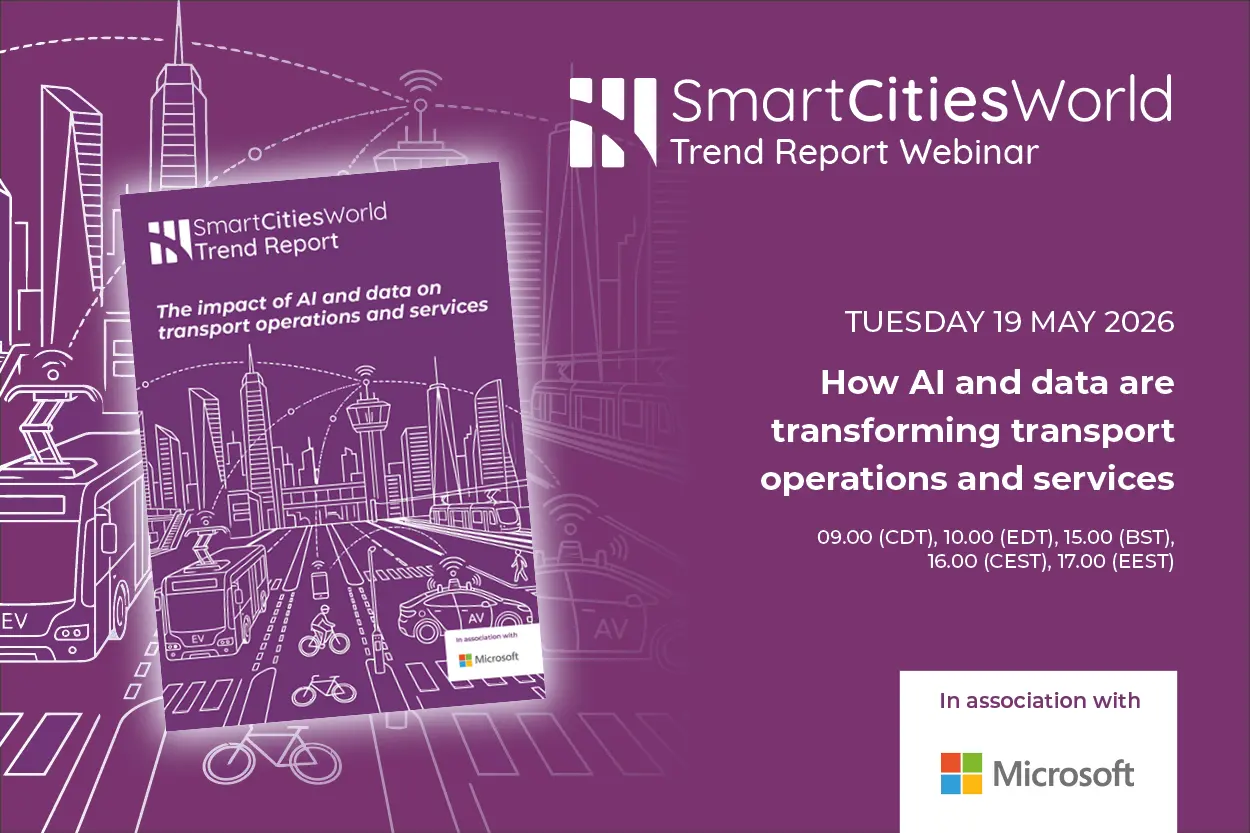
The trend report webinar specifically addresses how AI and data are transforming transport operations and services. This on-demand session will feature case studies from cities that have successfully implemented AI-driven solutions, such as dynamic pricing for parking, autonomous shuttle deployments, and real-time transit tracking. The webinar will also explore challenges: data privacy, algorithmic bias, and the digital divide that can leave some communities behind. To ensure equitable benefits, cities must engage with diverse stakeholders and design inclusive systems.
Energy systems are also being reshaped by local authorities through smarter networks. With AI, utilities can balance supply and demand more efficiently, integrate distributed renewable sources like rooftop solar, and manage battery storage. A dedicated panel at the summit will delve into how these strategies are being implemented, focusing on flexibility mechanisms that allow cities to respond to grid fluctuations without resorting to fossil fuel backups.
The momentum behind AI-enhanced urban services is driven by a combination of necessity and opportunity. Climate change demands faster adaptation; population growth pressures infrastructure; and citizens expect seamless, real-time interactions with their governments. Smart sensor networks, which are becoming cheaper and more capable, provide the data streams that power these innovations. They are used not only for transportation but also for waste management, air quality monitoring, and public safety.
In Dublin, for example, the city is innovating to improve experiences and services through multiple projects. Beyond traffic reduction, Dublin has implemented digital twin projects for urban planning, economic growth initiatives that leverage data analytics, and community engagement platforms that collect feedback through mobile apps. The city’s approach demonstrates that AI is not a one-size-fits-all solution; it must be tailored to local contexts and priorities.
As the field matures, ethical considerations gain prominence. Sovereign AI—where cities and nations maintain control over their data and algorithms—is emerging as a key concept. It ensures that AI systems align with local laws, cultural values, and policy objectives. This is particularly important for transport operations, where real-time data about citizens’ movements raises privacy concerns. Cities must adopt transparent governance frameworks and invest in cybersecurity to protect these systems.
Another important aspect is the workforce. The transition to AI-driven transport and services requires new skills—data scientists, AI trainers, and system maintainers. Many cities are partnering with educational institutions to create training programs and reskill existing employees. For instance, Sunderland has launched initiatives to train citizens in digital literacy and data analytics, ensuring that the benefits of smart city technologies are broadly shared.
The upcoming summit will also feature a podcast episode on sovereign AI for cities, with an expert guest discussing the global implications. Additionally, a special city profile will examine how Sunderland is repositioning itself economically using digital infrastructure and low-carbon innovation. These profiles offer in-depth looks at the strategies, challenges, and successes of pioneering cities.
In summary, the integration of AI and data into transport operations and urban services represents a major shift in how cities function. From digital twins that simulate traffic patterns to sensor networks that detect hazards, these technologies are making cities safer, more efficient, and more responsive. The examples from Malaysia, Sunderland, Dublin, Quezon City, and others illustrate that the transformation is already underway. As more cities adopt data-first approaches and invest in the necessary groundwork—data pipelines, interoperability, and governance—the potential for AI to reshape urban life will only grow. The key will be ensuring that these innovations serve all residents, bridge digital divides, and contribute to sustainable, resilient cities for the future.
Source: Smart Cities World News