

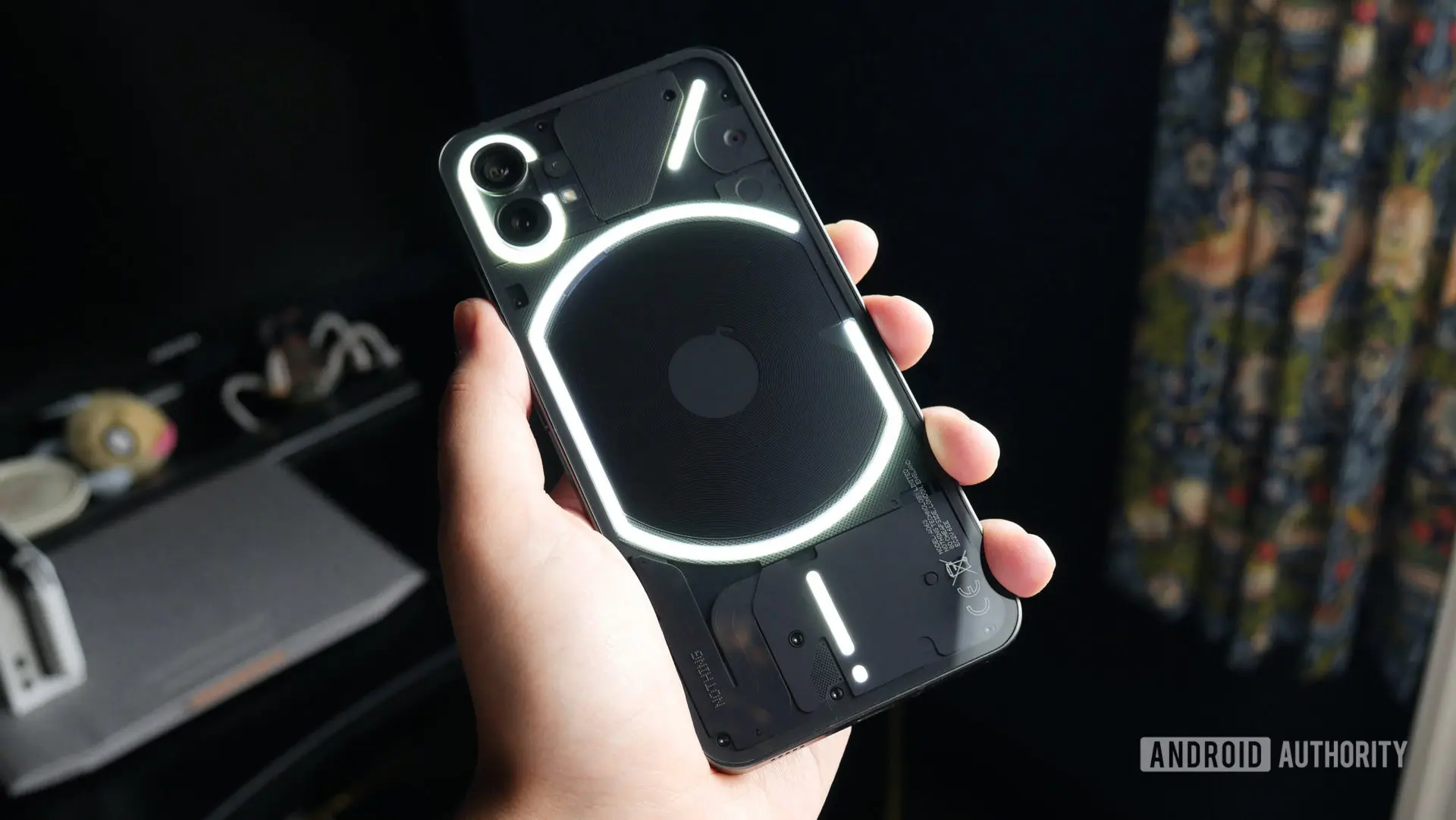
Nothing has officially ended software update support for the Phone 1, its first smartphone. The device is now receiving its final update, which includes the July 2026 Android security patch, marking the end of a four-year support commitment. The announcement was made via Nothing's community forums, with the company reflecting on the Phone 1's significance. The phone launched in July 2022 with Android 12 and introduced design elements that would define all of Nothing's subsequent smartphones, including the Glyph Interface and the transparent back. With this final July update, the Nothing Phone 1 completes its software support commitment of three years of Android updates and four years of security patches.
The Nothing Phone 1 debuted as a bold entry into the smartphone market, challenging established players with its unique design and transparent aesthetic. The device featured a mid-range Qualcomm Snapdragon 778G+ processor, a 6.55-inch OLED display with 120Hz refresh rate, and a dual-camera system. Its standout feature, the Glyph Interface, used LED light strips on the back to indicate notifications, charging status, and more, creating a distinct visual language. The transparent back allowed users to see wireless charging coils, screws, and other internal components, emphasizing a structural aesthetic rarely seen in modern phones.
Nothing's software approach was equally distinctive. The Nothing OS, based on Android, emphasized minimalism and consistency. It used a monochrome icon palette, custom widgets called Nothing Widgets, and a clean interface that avoided bloatware. The phone launched with Android 12 and received major upgrades to Android 13, 14, and 15 over its lifespan. While some enthusiasts managed to install Android 16 via custom ROMs, Nothing never officially released that version for the Phone 1.
The support window of three major Android upgrades and four years of security patches was in line with industry standards for mid-range devices at launch. However, as competitors like Samsung and Google extended their support periods to five or more years, the Phone 1's lifecycle seemed modest by comparison. Nevertheless, Nothing kept its promise, and the final update rolled out in July 2026, exactly four years after the phone's debut.
Nothing's community post acknowledged the phone's role in the company's history. "The Phone 1 was where Nothing OS began and served as the foundation for the software experience we continue to develop today," the company wrote. It noted that the phone remains highly usable and continues to be an important part of Nothing's story. Users were advised that the device might run warmer or consume more battery during the update installation, but performance would normalize afterward.
The cessation of support raises questions about the long-term viability of the Phone 1. Without future security patches, vulnerabilities could remain unpatched, potentially exposing users to risks. However, many smartphone owners continue using devices beyond their support life, and Nothing's transparent communication helps manage expectations. The phone's hardware, including its 4,500mAh battery and dated processor, will eventually show its age, but the design and user experience remain iconic.
Nothing's journey with the Phone 1 was not without challenges. Early software updates addressed camera performance, display calibration, and the Glyph Interface responsiveness. The company actively engaged with its community through feedback channels, releasing regular updates beyond the major Android versions. The final update, aside from the security patch, included general improvements, bug fixes, and enhanced system stability, ensuring the phone ends its official life on a stable note.
The Phone 1's design legacy extends beyond Nothing's own lineup. It inspired several imitators and contributed to a renewed interest in transparent electronics. The Glyph Interface, while criticized by some as gimmicky, found a dedicated following among users who appreciated its functional and aesthetic value. Third-party developers even created custom Glyph patterns and integrations, adding a layer of personalization.
In the broader context of the smartphone industry, the Nothing Phone 1 represented a refreshing departure from the monotony of glass slabs. Its transparent back and innovative LED interface harkened back to the early days of mobile phones when design experimentation was more common. The phone's success paved the way for the Nothing Phone 2, which refined the design with a lighter build, improved cameras, and a higher-performance Snapdragon 8 series chip. The Phone 2 also benefited from longer software support, with commitments extending beyond five years for some models.
Nothing's strategy of offering a unique design at a competitive price point resonated with a niche audience. The Phone 1 sold over 600,000 units in its first few months, a respectable figure for a startup's first product. It established Nothing as a serious contender in the smartphone market and built a loyal community. The support lifecycle now ends, but the impact on the brand's trajectory is undeniable.
For current Nothing Phone 1 owners, the message is clear: the device will continue to work for everyday tasks, but new features and security patches are no longer coming. Users who prioritize security may consider upgrading to a newer Nothing model or another device with ongoing support. Nothing has released several models since, including the Phone 2a, which offers a more affordable entry point with updated software policies.
The end of support for the Phone 1 also closes a chapter for Nothing as a company. It demonstrates that even a small, ambitious brand can honor its promises over a multi-year period. Transparency in communication, as seen in the community forum post, builds trust. As Nothing moves forward, its software and hardware decisions will continue to be informed by the lessons learned from its first phone.
Technologically, the Nothing Phone 1 was not the most powerful device even at launch, but it prioritized experience over raw specifications. The 120Hz AMOLED display with HDR10+ support, stereo speakers, and in-display fingerprint sensor were solid mid-range features. The camera system, a 50MP Sony IMX766 primary sensor and a 50MP ultrawide, delivered competent results after software improvements. The device ran on Nothing OS, which evolved significantly over its lifecycle, adding features like the Nothing Launcher, improved widgets, and seamless integration with other Nothing products such as the Ear (1) and Ear (2).
The community reaction to the final update has been mixed. Some users expressed appreciation for the support and the phone's design, while others lamented the relatively short software lifespan compared to newer standards. Nothing addressed this by emphasizing upgrades across its lineup: the Phone 2 and later models have longer support periods. The company also hinted at potential community-driven projects, though no official commitment to open-source or custom ROM support was made.
As the smartphone industry evolves, the definition of adequate software support continues to shift. What was considered generous in 2022 – three OS upgrades and four years of patches – is now baseline or below average. Even budget phones sometimes offer five years of security updates. Nothing's response to these expectations will be critical for its future. For now, the Phone 1's end-of-life marks a milestone that will be studied by analysts and enthusiasts alike.
The Nothing Phone 1 remains a landmark device for its design innovation and for launching a new brand into a saturated market. Its transparent back and Glyph Interface are unlikely to be forgotten. While software support has ended, the hardware itself can still serve users who do not require the latest features or are willing to accept potential security risks. Nothing has stated that the phone remains fully usable, and third-party app support will continue for the foreseeable future.
In summary, the Nothing Phone 1 has reached the end of its official software road, but its influence on design and branding endures. The update with the July 2026 security patch closes a four-year commitment that started with a bold vision. Nothing's first phone may no longer receive updates, but it will always hold a special place in the company's history and in the memories of those who used it.
Source: Android Authority News