

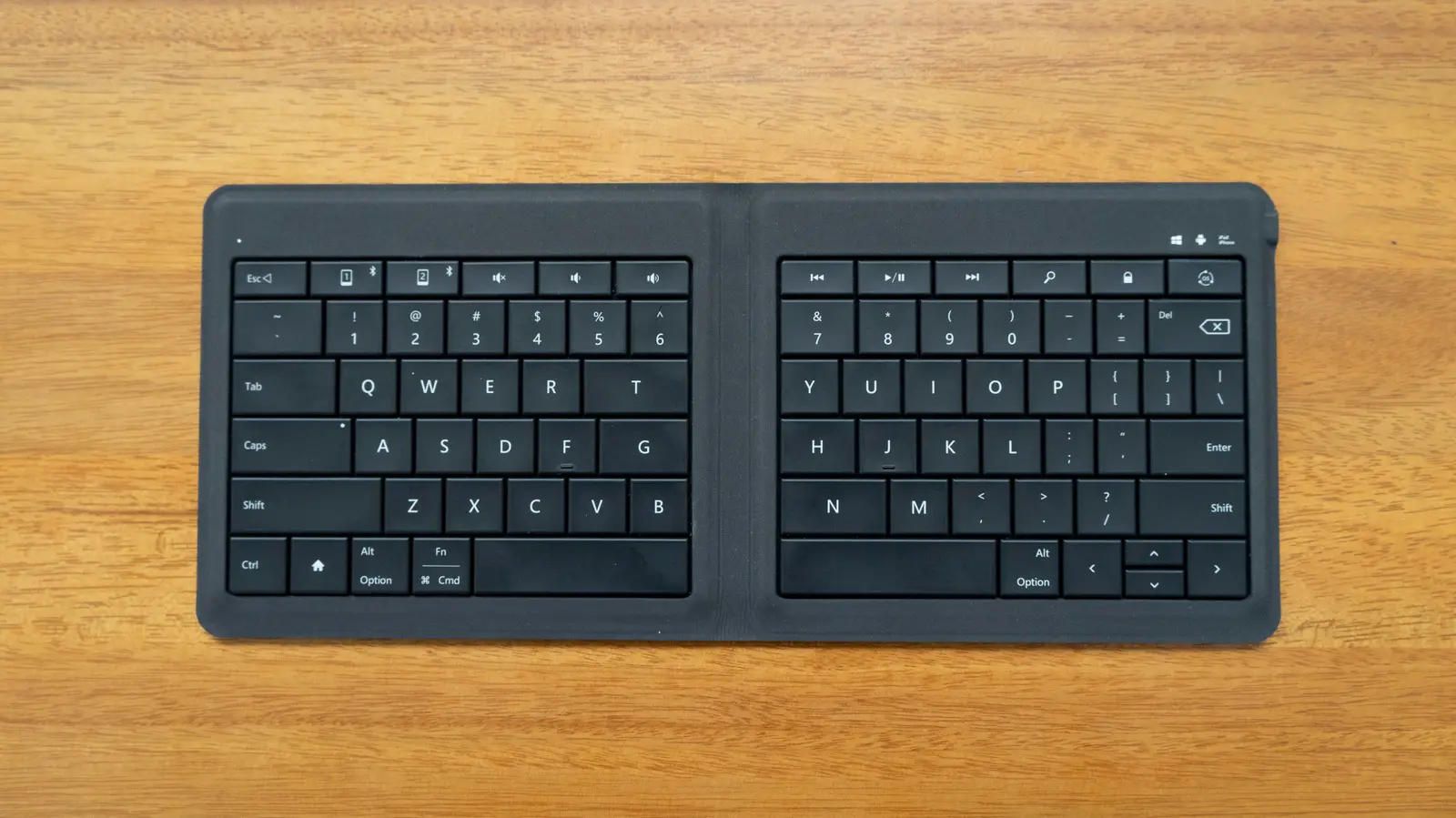
Foldable gadgets have changed the way people work and travel. After the rise of folding smartphones, portable accessories followed, and the foldable keyboard has become one of the most useful additions for people who need to type on the go. It is especially popular among digital nomads, frequent flyers, and professionals who use tablets or smartphones as their primary devices. But while a foldable keyboard can be a game-changer for mobile productivity, it also has some clear trade-offs. Understanding those trade-offs is important before making a purchase.
The main benefit: portability
The greatest selling point of a foldable keyboard is portability. A standard keyboard is bulky, rigid, and often heavy, making it inconvenient to slip into a bag. A foldable keyboard, however, can collapse into a much smaller shape. Depending on the design, it can fit into a backpack, a tote, a purse, and sometimes even a large coat pocket. This makes it an excellent companion for business trips, co-working spaces, coffee shops, airplanes, and trains.
For tablet and smartphone users, the foldable keyboard solves a common problem: touchscreens are not ideal for long typing sessions. On-screen keyboards take up valuable display space and can be difficult to use accurately at speed. With a foldable keyboard, you can set up a temporary workstation in seconds. Most models use Bluetooth, which means there are no wires to manage. Pairing is usually straightforward, and switching between devices is often as simple as pressing a key combination.
Battery life and compatibility
Another advantage is battery life. Many foldable keyboards are designed to be energy-efficient. Some models last for several days of continuous active typing, which in realistic usage translates into weeks or even months on a single charge. Features like automatic sleep mode help preserve power when the keyboard is folded or left idle. Of course, battery performance depends on the brand and model, but overall, modern foldable keyboards are competitive with other wireless peripherals.
Compatibility is also a strong point. Most foldable keyboards are built to work across multiple operating systems, including iOS, iPadOS, macOS, Windows, Android, and ChromeOS. That flexibility is especially valuable for people who move between devices throughout the day. You can type an email on a smartphone, switch to a tablet for note-taking, and then connect to a laptop for a report, all with the same keyboard.
The concept of a foldable keyboard is not new. Early personal digital assistants and handheld computers used a variety of collapsible keyboards to make data entry easier. But modern foldable keyboards are far more advanced, with thin lithium batteries, low-energy Bluetooth, and durable materials that allow them to match the performance of conventional wireless keyboards. The increasing popularity of tablets and foldable phones has pushed manufacturers to refine these designs further.
The downside: cramped keys and typos
The most obvious downside of a foldable keyboard is the keyboard layout. To make the device foldable, manufacturers have to reduce the size and spacing of the keys. This can make typing more difficult, especially for people with larger hands. The keys may feel crowded, and common mistakes become more frequent. Research based on user reviews, forum discussions, and testing videos has suggested that typing errors are four times more likely to occur on a foldable keyboard than on a standard keyboard. That number may vary by model, but it highlights a real problem.
There is a notable difference between the two main types of foldable keyboards: bi-fold and tri-fold. Bi-fold keyboards fold in half and are generally smaller, making them highly portable but more cramped. Tri-fold keyboards fold into three sections and are closer in size to a traditional keyboard. They offer a more comfortable key spacing and a better overall typing experience. However, even tri-fold models tend to sacrifice some dedicated keys. Function rows, media controls, and navigation clusters are often missing or hidden behind secondary key combinations. For power users who rely heavily on keyboard shortcuts, this can slow things down.
Comfort and durability concerns
Comfort is another area where foldable keyboards struggle. Because they are designed to be thin and lightweight, they often lack the ergonomic shape and sturdy base of a standard keyboard. This becomes noticeable during long typing sessions. Some users report that the keyboard flexes and bends under pressure, especially on uneven surfaces. The plastic hinges used in many models can wear out over time, leading to a keyboard that no longer lies completely flat. Excessive pressing can damage the internal membrane or the keys themselves, shortening the lifespan of the device.
Durability, of course, depends on the build quality of the specific model. Premium foldable keyboards with metal bodies and reinforced hinges may perform better than budget options. But in general, a foldable keyboard is not built to withstand the same punishment as a traditional mechanical keyboard. If you type for hours every day, a folding keyboard may not provide the reliability you need.
Weighing the trade-offs
For some users, the trade-offs are acceptable. If you travel often and only need to type occasionally, a foldable keyboard can be a fantastic investment. It is particularly useful for people who use a tablet or smartphone as their main computing device and want a physical keyboard without the added weight of a laptop. Foldable keyboards can also be useful in situations where desk space is limited, such as on a crowded train tray table or in a small kitchen.
On the other hand, if you spend many hours each day writing, coding, or managing emails, the limitations become harder to ignore. Cramped keys, missing shortcuts, and the risk of hinge failure are significant drawbacks. In those cases, a traditional wireless keyboard or a mechanical keyboard might be a better choice. There are many wireless mechanical keyboards available in compact sizes that offer a better typing experience while still being relatively easy to pack.
Another consideration is price. Foldable keyboards range from inexpensive budget models to premium devices with premium price tags. Before buying, it is worth checking reviews and testing the key feel if possible. Some users find that certain foldable keyboards are surprisingly comfortable, while others find them virtually unusable. The right choice depends on your specific needs, habits, and tolerance for compromise.
Foldable keyboards are not designed to completely replace standard keyboards. They are specialized tools built for a particular use case: mobile productivity. For travelers, remote workers, and anyone who wants to turn a phone or tablet into a mini workstation, they offer a level of convenience that is hard to beat. But for desktop use, heavy typing, or users who value ergonomics and durability, a traditional keyboard remains the safer option. Understanding the pros and cons is the first step toward making the right decision.
Source: SlashGear News