

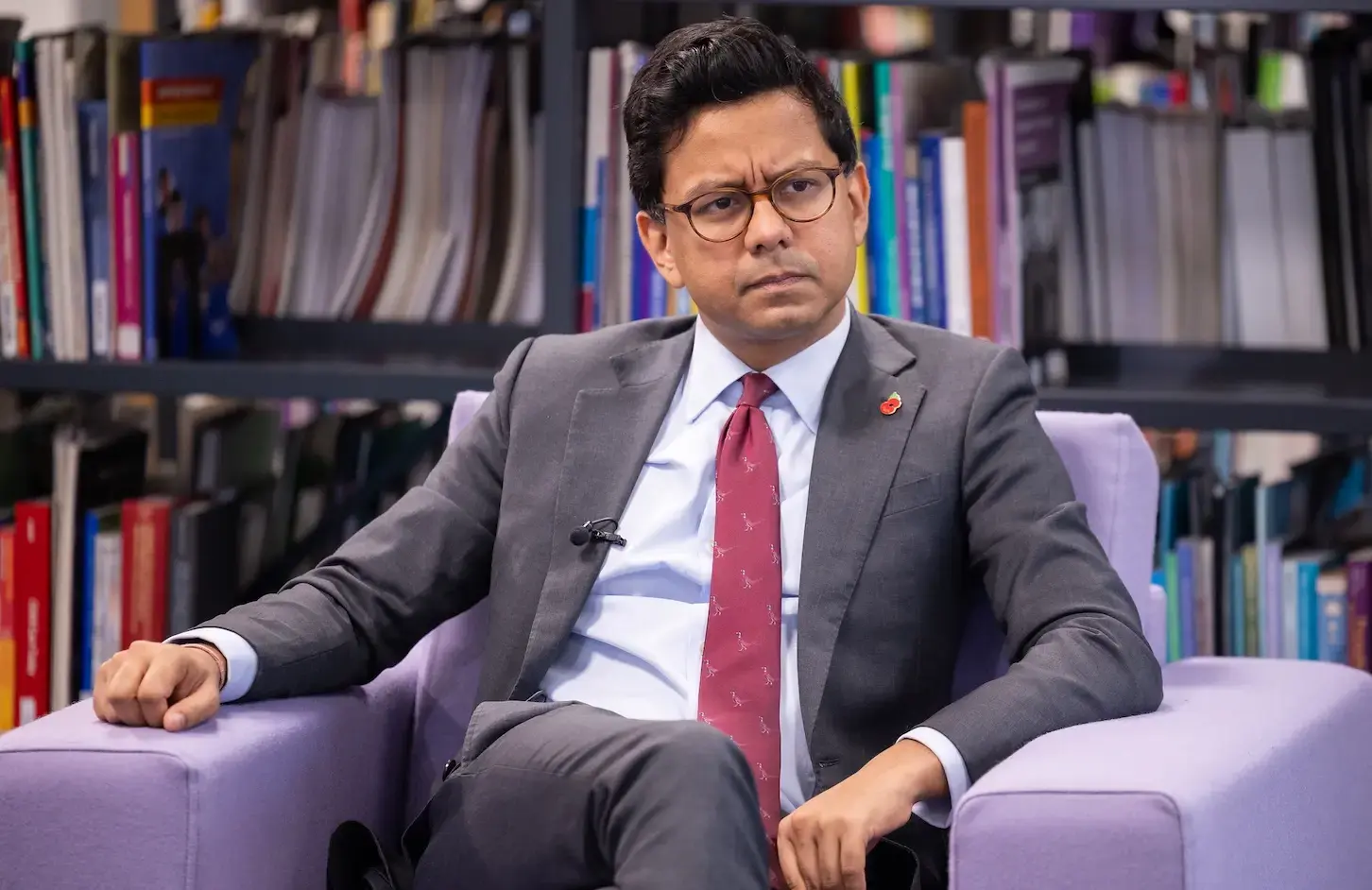
The appointment of Andrew Burnham as the United Kingdom's first-ever Minister for Artificial Intelligence has sent ripples through the technology sector and beyond. Announced as part of a broader cabinet reshuffle, the new role is seen as a clear signal of the government's intent to prioritise AI governance, innovation, and economic growth. Burnham, a former tech entrepreneur and seasoned parliamentarian, brings a unique blend of industry experience and political acumen to the post.
Background of the Appointment
For years, the UK has positioned itself as a global leader in artificial intelligence, with hubs in London, Cambridge, and Edinburgh attracting substantial investment. However, critics argued that the government lacked a coordinated strategy, with responsibilities scattered across multiple departments. The creation of a single minister role aims to centralise policy-making, streamline regulatory efforts, and provide a clear point of contact for businesses and international partners.
Burnham's selection was met with cautious optimism. He has a track record of advocating for digital transformation and has previously chaired parliamentary committees on technology. His background includes co-founding a successful AI startup that was acquired by a major Silicon Valley firm, giving him firsthand knowledge of the challenges facing the sector.
Key Responsibilities and Policy Directions
According to early statements from Downing Street, Burnham's portfolio will cover several critical areas:
- Regulatory Framework: Developing a comprehensive AI regulation bill to ensure safe and ethical deployment, balancing innovation with public trust.
- Investment Strategy: Attracting foreign direct investment and supporting domestic startups through tax incentives and grants.
- Skills and Education: Expanding AI literacy programs in schools and retraining schemes for workers whose jobs may be impacted by automation.
- International Collaboration: Leading the UK's participation in global AI governance discussions, including the G7 and OECD initiatives.
The government has already pledged £1.2 billion additional funding for AI research and development over the next five years, a move welcomed by universities and research institutes.
Industry Reaction
TechUK, the trade association representing the UK's technology industry, called the appointment "a long-overdue step." CEO Julian David remarked, "Having a dedicated minister will help us navigate the complex interplay between innovation and regulation. Burnham's entrepreneurial experience is exactly what we need." However, some civil society groups expressed caution, urging the minister to prioritise privacy safeguards and bias mitigation.
Investment analysts noted that the appointment could boost investor confidence. Venture capital firm Index Ventures pointed to increased clarity around the regulatory roadmap as a positive sign. "Startups have been hesitant due to regulatory uncertainty. A single minister can provide direction," said partner Sophia Bendz.
Historical Context
The UK has a mixed history with technology regulation. The creation of the Centre for Data Ethics and Innovation in 2018 was a step forward but lacked enforcement powers. Burnham's role is intended to rectify this, with the promise of a statutory regulator. This mirrors moves in the European Union, which is finalising the AI Act, and in the United States, where the White House Office of Science and Technology Policy is coordinating AI policy.
Notably, the appointment comes amid growing concerns over AI safety, following high-profile incidents of algorithmic bias and deepfake misuse. Burnham has indicated that his first priority will be to publish a white paper outlining the government's approach to high-risk AI applications.
Potential Challenges and Criticisms
Despite the enthusiasm, some observers question whether a single minister can effect meaningful change. The AI sector spans healthcare, finance, defense, and more, each with its own distinct regulatory ecosystem. Coordination with the Department of Health, Treasury, and Ministry of Defence will be essential but challenging.
Additionally, Burnham's close ties to the tech industry have raised concerns about regulatory capture. Transparency advocates are calling for clear ethical guidelines and conflict-of-interest policies. The minister has pledged to recuse himself from decisions involving companies he previously founded, but critics say stronger measures are needed.
Looking Ahead
In his first press conference, Burnham outlined a 100-day plan that includes establishing an AI Innovation Council comprising industry leaders, academics, and public representatives. He also announced a public consultation on AI ethics, inviting submissions from businesses, researchers, and citizens. The goal, he said, is to build a framework that ensures the UK remains "the best place in the world to develop and deploy AI responsibly."
As the digital landscape evolves, the minister's role will undoubtedly face tests from rapid technological advances and shifting geopolitical alliances. The upcoming Global AI Summit, to be hosted in the UK next spring, will be a crucial platform for Burnham to showcase the nation's vision. For now, the tech sector watches with a mixture of hope and vigilance, aware that the decisions made in the coming months could shape the industry for decades.
Source: UKTN News