

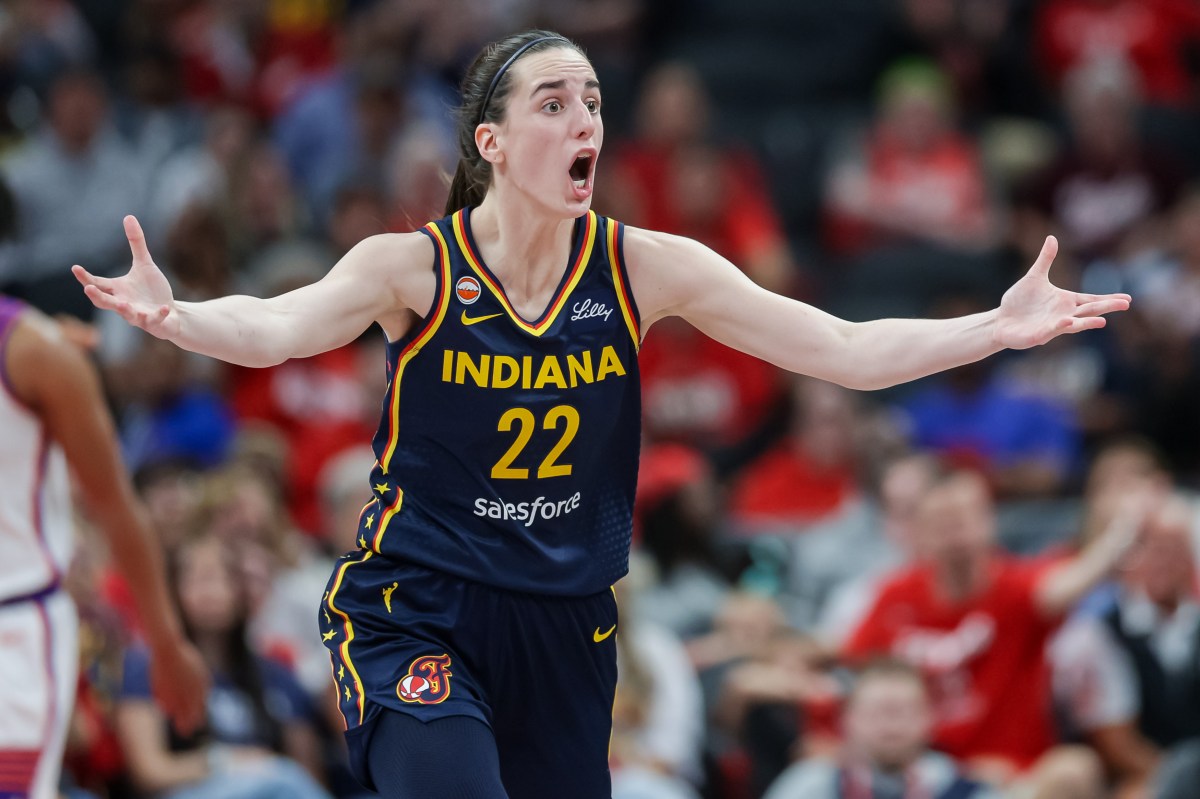
The Indiana Fever outlasted the Phoenix Mercury 86-77 at Gainbridge Fieldhouse in Indianapolis on Monday night, but the game descended into a chaotic scrum that resulted in five technical fouls and an ejection. The incident overshadowed a thrilling victory for the Fever, who improved to 10-7 on the season. All-Star guard Caitlin Clark was at the center of the controversy, receiving her fifth technical foul of the season—a dubious distinction that ties her with Chicago Sky forward Angel Reese for the most in the WNBA. The call came after Clark clapped in response to a non-call, a gesture that officials deemed taunting.
The Incident
With the game already tense, Clark was whistled for a technical foul after clapping her hands in frustration following a missed foul call. Fever head coach Stephanie White confirmed the nature of the call during her postgame press conference. "They said that Caitlin got it for clapping, so I guess that's taunting," White said. The technical foul was Clark's fifth of the year, putting her one step closer to an automatic one-game suspension, which is triggered after eight technical fouls.
Clark did not mince words when asked about the call. "Yeah, it's ridiculous," she told reporters. "I got a technical for clapping. We should all just go on the calendar now and pick a game that I'm gonna be suspended for if I'm gonna get technicals for clapping." She added that she asked official Gerda Gatling about the reasoning and was told it was for clapping. "If any technical should be taken away, it should be that one," Clark said.
League Precedent
Clark's situation is not unprecedented. Earlier this season, Dallas Wings guard Paige Bueckers received a technical foul for clapping against the Atlanta Dream on May 22. The WNBA rescinded that technical foul just two days later, setting a potential precedent for Clark's case. Clark expressed hope that the league would review her incident similarly. "The league can come back and review that play, and I'd love to hear what they say," she said. However, her postgame comments—which could be viewed as criticizing officials—may result in a fine from the league office.
Clark's Historic Performance
Despite the controversy, Clark delivered another standout performance. She finished Monday's win with 24 points, nine assists, and three rebounds. This marks her sixth consecutive game with at least 20 points and five rebounds, the longest such streak in WNBA history, according to ESPN Stats & Info. Clark's offensive prowess has been a driving force behind the Fever's resurgence this season. The team, which finished with the worst record in the league last year, now sits at 10-7 and is in contention for a playoff spot.
Clark's rookie season has been nothing short of spectacular. She leads all rookies in scoring (17.8 points per game) and assists (8.1 per game). Her ability to create shots for herself and her teammates has drawn comparisons to some of the greatest guards in WNBA history. However, her emotional style of play has also led to friction with officials. Clark's five technical fouls are the most on the Fever and tied for the most in the league.
Context of WNBA Officiating
The WNBA has faced increasing scrutiny over officiating consistency this season. Several players and coaches have publicly complained about the enforcement of taunting rules and the threshold for technical fouls. Clark's case highlights a broader debate: where is the line between passionate play and unsportsmanlike conduct? The league's official rulebook states that technical fouls can be assessed for "taunting" or "demonstrative disrespect," but the interpretation often varies from official to official.
In recent weeks, the league has taken steps to address these concerns. Commissioner Cathy Engelbert announced a review of technical foul policies during the All-Star break, though no changes have been implemented yet. Players like Clark and Reese, who play with visible intensity, have become lightning rods for these discussions. Reese herself has drawn criticism for her on-court demeanor, but she has also been vocal about perceived double standards.
The Game's Impact
The Fever-Mercury game had playoff implications for both teams. The Mercury, led by Diana Taurasi and Brittney Griner, entered the game with a 5-13 record, struggling to find consistency. The Fever, meanwhile, are in the midst of a rebuild around Clark and Aliyah Boston. Boston, the reigning Rookie of the Year, contributed 16 points and eight rebounds in Monday's win. The victory extended the Fever's home winning streak to five games, a significant improvement from last season when they won only four home games all year.
The game also featured a heated moment between Clark and Mercury guard Natasha Cloud, which resulted in double technical fouls. Cloud, known for her physical defense, was assessed a technical for a hard foul on Clark earlier in the contest. The escalating tensions added to the drama of the night.
Looking Ahead
Clark and the Fever will face the Mercury again on Wednesday at Gainbridge Fieldhouse. The quick rematch provides an opportunity for Clark to put the controversy behind her and focus on basketball. However, she must tread carefully to avoid further technical fouls. With five already on her record, another three technicals would trigger an automatic suspension—a situation that could derail the Fever's playoff push.
For now, Clark's focus remains on winning. "I'm gonna play with emotion, I'm gonna play with passion, and if they're gonna give me a technical foul for clapping, then so be it," she said. The WNBA will likely review the clapping technical in the coming days, and if history is any guide, it may be rescinded. But the broader conversation about officiating and player expression is unlikely to fade quickly.
Clark's rookie campaign has already cemented her as one of the most impactful players in the league. Her ability to fill the stat sheet and draw crowds transcends the on-court drama. As the Fever continue their surprising season, all eyes will be on how Clark navigates the fine line between competitive fire and league discipline.
Source: Newsweek News