

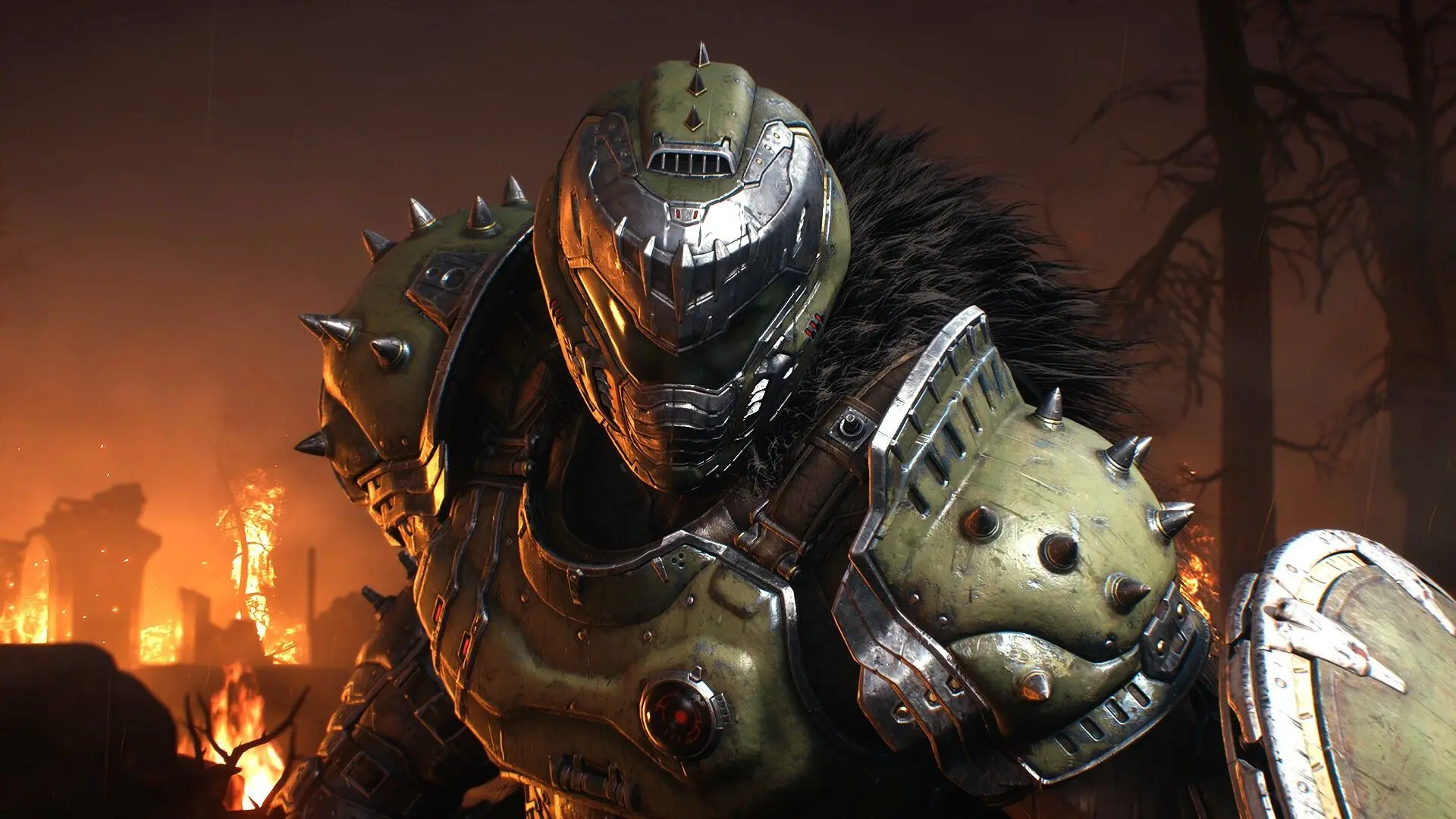
In the turbulent aftermath of Microsoft's massive 2024 layoffs that swept through its gaming divisions, details have emerged about what id Software, the legendary creator of DOOM and Quake, was working on before its ranks were decimated. According to former employees, the studio was “toying around” with several game concepts, including a John Wick-style “Gun Fu” shooter and an early involvement with the upcoming Perfect Dark reboot. These revelations shed light on the creative energy that was lost when the axe fell.
The Legacy of id Software
Founded in 1991 by John Carmack, John Romero, Adrian Carmack, and Tom Hall, id Software revolutionized the gaming industry with groundbreaking titles like Commander Keen, Wolfenstein 3D, DOOM, and Quake. The studio has always been synonymous with fast-paced, visceral first-person shooters that push technical boundaries. DOOM (2016) and DOOM Eternal (2020) revitalized the franchise, cementing id's reputation as masters of combat flow and movement.
Over the years, id Software has weathered many changes—acquisitions by Activision, then ZeniMax Media, and finally Microsoft in 2021. Each transition brought new opportunities and challenges. The studio has often experimented with ideas outside its core DNA, such as the canceled id Tech 5 project and the ill-fated Rage series. Now, former employees have shared that before the layoffs, the studio was exploring two particularly intriguing concepts.
The John Wick-Style 'Gun Fu' Game
One of the concepts id Software was internally prototyping was a game built around “Gun Fu”—a style of gunplay inspired by the John Wick films, where combat becomes a choreographed dance of precision, acrobatics, and close-quarters brutality. The idea would have merged id's trademark gunplay mechanics with a focus on fluid, stylish kills, akin to the kinetic action of the movies. Sources say the team was experimenting with a system that rewarded players for chaining headshots, taking cover flips, and using environmental props in a seamless, almost balletic manner.
This aligns with a trend in the industry: games like Superhot, John Wick Hex, and the upcoming Judas from Ken Levine have all explored choreographed action. For id Software, it would have been a natural evolution of the movement-heavy combat found in DOOM, but with a more grounded, John Wick aesthetic. However, the project never progressed beyond the prototyping stage, partly due to the layoffs that dispersed key talent.
Perfect Dark Reboot Collaboration
Perhaps more surprising is id Software's involvement with the Perfect Dark reboot at The Initiative. When Microsoft announced Perfect Dark in 2020, it was positioned as a flagship title from a new studio stacked with industry veterans. But development has been plagued by turmoil, including leadership changes and reports of a troubled production. id Software, as a sister studio under Xbox Game Studios, was reportedly providing technical support and engine expertise.
Former employees now say that id Software was not just assisting but had actually been considering a more active role, possibly co-developing the game. The Initiative had originally built the project on Unreal Engine, but id's internal engine, id Tech, is renowned for its performance and scalability. There were discussions about leveraging id Tech for Perfect Dark's first-person combat and stealth mechanics. The layoffs, however, put an end to those conversations, leaving The Initiative to continue with its own resources.
The Layoffs and Their Impact
In early 2024, Microsoft cut approximately 1,900 jobs across its gaming divisions, including at id Software, which previously had around 200 employees. The layoffs hit id particularly hard, with reports indicating that up to 30% of the studio's workforce was let go. This included veteran designers, engineers, and artists who had worked on recent DOOM titles. The cuts were part of a broader restructuring following Microsoft's acquisition of Activision Blizzard, aimed at reducing overlaps and finding efficiencies.
For id Software, the layoffs meant the loss of institutional knowledge and creative momentum. The studio had already been working on the next DOOM game, rumored to be a prequel set in medieval times, but the departures delayed its progress. The Gun Fu project and Perfect Dark collaboration, never officially confirmed, are now lost possibilities. The departure of key figures like director Hugo Martin (who remained, but many others left) has left the studio in a period of uncertainty.
Industry Reactions and Future Outlook
News of id Software's lost projects has sparked discussion about the human cost of industry consolidation. Fans have expressed disappointment over the canceled Gun Fu concept, which many believe would have been a perfect showcase for id's expertise. The John Wick franchise remains hugely popular, and a game from the creators of DOOM would have attracted immense attention.
Meanwhile, Perfect Dark continues development, but its future is unclear. With id Software no longer contributing, The Initiative has partnered with Crystal Dynamics to complete the game. The project now carries the weight of immense expectations and a troubled history. For id Software, the focus is on rebuilding and delivering its next DOOM title, which is expected to be announced in the coming months.
These revelations serve as a reminder of the fragility of game development. Even storied studios like id Software are not immune to corporate decisions beyond their control. The Gun Fu game and Perfect Dark collaboration may never see the light of day, but they offer a glimpse into the creative what-ifs that bubble beneath the surface of the industry. As id Software regroups, its legacy of innovation will hopefully endure—and perhaps one day, a new concept will emerge that captures the same spirit of experimentation.
Source: Windows Central News