
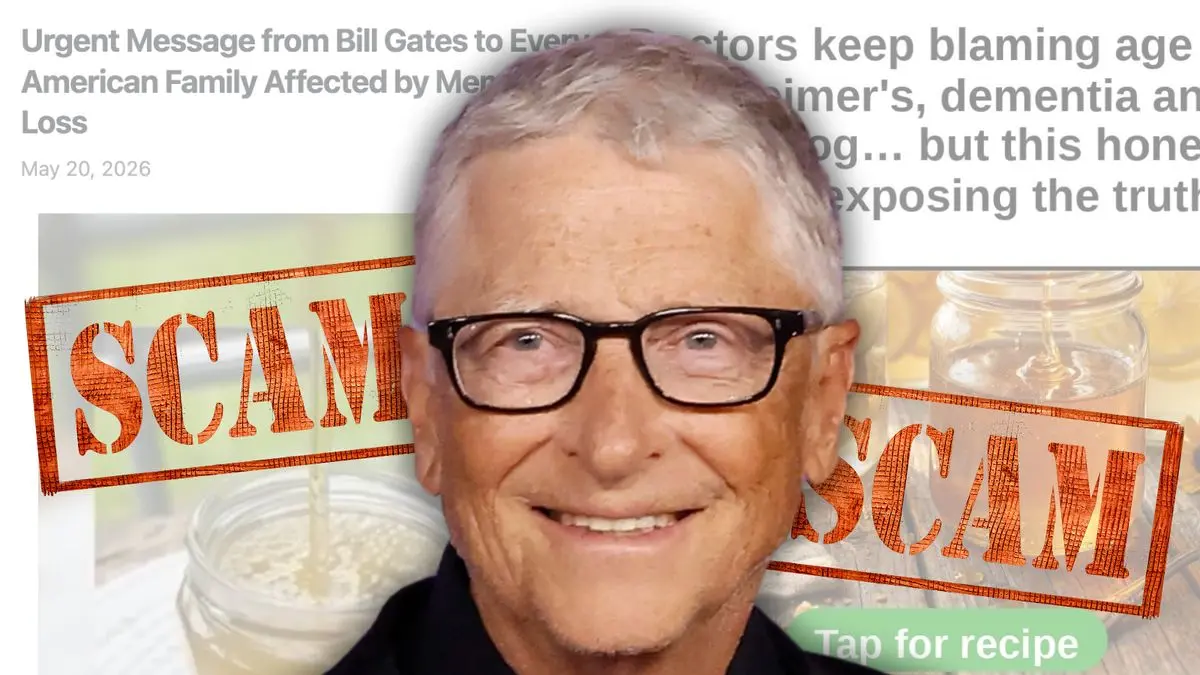
In May 2026, a new wave of online advertisements and videos began circulating, claiming that Microsoft co-founder Bill Gates had developed, endorsed, or was personally selling products such as 'Brain Honey', 'Mind Boost', 'Memopezil', and 'BrainHealth' that could supposedly cure or reverse Alzheimer's disease and other forms of dementia. These ads feature dramatic headlines, fake news-style landing pages, and even fabricated quotes from Gates himself. However, a thorough investigation reveals that these claims are completely false and part of an ongoing scam pattern that uses Gates’ name to peddle unproven supplements.
The Rise of the 'Brain Honey' Rumor
The rumor gained traction through a network of advertisements, videos, and websites that appeared to be legitimate news reports. One typical landing page shows a video titled 'Urgent Message from Bill Gates to Every American Family Affected by Memory Loss', suggesting that Gates is personally recommending a specific product. Another variation uses a fake NBC News layout with fabricated testimonials and a countdown timer to create urgency. The products are marketed under an ever-changing list of names, including 'Brain Honey', 'Mind Boost', 'Memopezil', 'Neuro Honey Blend', and 'MemoPryl', but the core pitch remains the same: Gates has discovered a miracle cure for Alzheimer's that is being hidden from the public.
This claim is entirely unfounded. There is no evidence that Gates has ever created, endorsed, or sold any of these products. The Bill & Melinda Gates Foundation has issued warnings that scammers frequently misuse the foundation's name, logo, and images in fraudulent communications. In addition, the Alzheimer's Association states that there is currently no cure for Alzheimer's disease, although some treatments can help manage symptoms or slow progression in certain patients.
Why the Scam Works: Gates' Real Interest in Alzheimer's
The false ads exploit a small kernel of truth: Bill Gates has indeed spoken publicly about Alzheimer's research. In a 2018 speech at the JP Morgan Healthcare Conference, Gates announced that he was personally committing $100 million to new approaches to dementia research, including Alzheimer's. He has written about the importance of early diagnosis and treatment, and his foundation has supported projects aimed at understanding the disease. This genuine interest makes the scam seem plausible to many people who are desperate for a cure.
However, Gates' involvement is strictly in funding research through established scientific channels. He does not endorse any commercial product, and real breakthroughs in Alzheimer's treatment are documented in peer-reviewed journals and approved by regulatory agencies like the FDA, not advertised in sensational online videos.
The Scam Business Model
These scams follow a repeatable pattern that has been documented by consumer protection agencies. A user first encounters a dramatic ad or video featuring a celebrity, doctor, or public figure—in this case, Bill Gates. The ad promises an astonishing cure for memory loss, dementia, or Alzheimer's. When the user clicks, they are directed to a webpage designed to mimic a news report, TV interview, or documentary. The page often includes fake social media comments, fabricated testimonials, and a long-form sales pitch that eventually reveals a nutritional supplement for sale. The supplement is typically priced at $50 to $100 per bottle, with discounts for bulk purchases.
The Federal Trade Commission (FTC) has warned that such advertising is deceptive when it is formatted to resemble news articles or non-advertising content. The FTC also finalized a rule in 2024 banning fake reviews and testimonials, but scammers continue to use these tactics. The Better Business Bureau (BBB) has records for a payment platform called Cartpanda that lists multiple product names used in similar campaigns, including Memopezil, Memo Genesis, MemoBlast, MemoryLift, BrainDefender, and MindHero. While this does not prove the same operators run every scam, it suggests a coordinated system where scammers change product names and use fake celebrity endorsements to evade detection.
Medical Claims vs. Reality
The ads often claim that a honey-based product can reverse Alzheimer's or dementia. While some early-stage research has examined whether compounds in honey might have neuroprotective effects, a 2023 review published in the journal Nutrients emphasized that more human clinical research is needed. This line of research does not support the exaggerated claims made in social media ads. The FDA has also issued warnings that companies illegally market unapproved products claiming to prevent, treat, or cure Alzheimer's disease, often using exaggerated claims and unconfirmed testimonials on websites and social media.
Furthermore, the U.S. Food and Drug Administration (FDA) has alerted consumers to watch out for false promises about so-called Alzheimer's cures. According to the FDA, consumers should be wary of products marketed online as supplements that claim to treat Alzheimer's because such claims may be illegal and unproven. A legitimate breakthrough would be announced through peer-reviewed research, regulatory announcements, and coverage by credible medical and news outlets—not hidden behind a sensational ad or a fake interview video.
How to Spot These Scams
Scams that use Bill Gates' name share several common warning signs. Look for supposed miracle cures for serious diseases, celebrity endorsements that cannot be verified on the celebrity's official website or verified social media accounts, and fake webpages designed to look like legitimate news coverage. Other red flags include urgent language ('Limited time offer!'), countdown timers, long videos that delay naming the actual product, and disclaimers saying the statements have not been evaluated by the FDA.
For example, one scam website used a fake NBC News layout with fabricated Facebook comments. The comments appeared to have been posted just minutes before the page was opened, but the supposed commenter accounts could not be verified on Facebook. Another site featured a video of Dr. Sanjay Gupta, which CNN later confirmed was created using AI and was not endorsed by Gupta at all.
Not Just Gates: A Broader Scam Ecosystem
Bill Gates is not the only public figure whose image is being misused. Similar ads have featured Dr. Sanjay Gupta, actor Eva Marie Saint, actors Clint Eastwood and Dwayne 'The Rock' Johnson, as well as other figures presented as experts. In some cases, real source footage was altered into misleading promotional material for supplements or vague 'protocols'. The Gates ads are therefore part of a larger scam ecosystem, not an isolated phenomenon. The names and faces may change, but the structure remains the same: a familiar celebrity or expert makes dramatic health promises, and an unproven product is sold behind a fake news presentation.
Consumers should be especially cautious when a product claims to treat Alzheimer's while avoiding clear information about who is selling it, what evidence supports it, or whether it has been approved for that use. The FDA recommends checking the agency's website for alerts about illegal products and consulting a healthcare professional before trying any new supplement. Additionally, the FTC advises reporting suspicious ads to its complaint assistant.
Gates Foundation Response and Consumer Protection
The Bill & Melinda Gates Foundation has a dedicated page for reporting scams that misuse its name. The foundation warns that scammers often send emails, create fake websites, and post videos using Gates' image to trick people into sending money or purchasing products. The foundation does not sell any health products and does not endorse anyone selling them.
For consumers, the best defense is skepticism. If an ad claims that a famous person has discovered a miracle cure for a disease, check the person's official website or verified social media accounts. Look for coverage by reputable news organizations. Remember that real medical breakthroughs are not announced in YouTube videos or landing pages that look like news articles but are actually advertisements. The FDA and the Alzheimer's Association provide reliable information about current treatments and clinical trials.
Finally, be aware that these scams often target the elderly and those caring for loved ones with dementia. Sharing information about these scams can help protect vulnerable people from financial loss and false hope. The FDA has a consumer update that explains how to watch out for false promises about Alzheimer's cures, including red flags such as 'miracle cure', 'scientific breakthrough', and 'secret ingredient'.
Source: Yahoo News News