

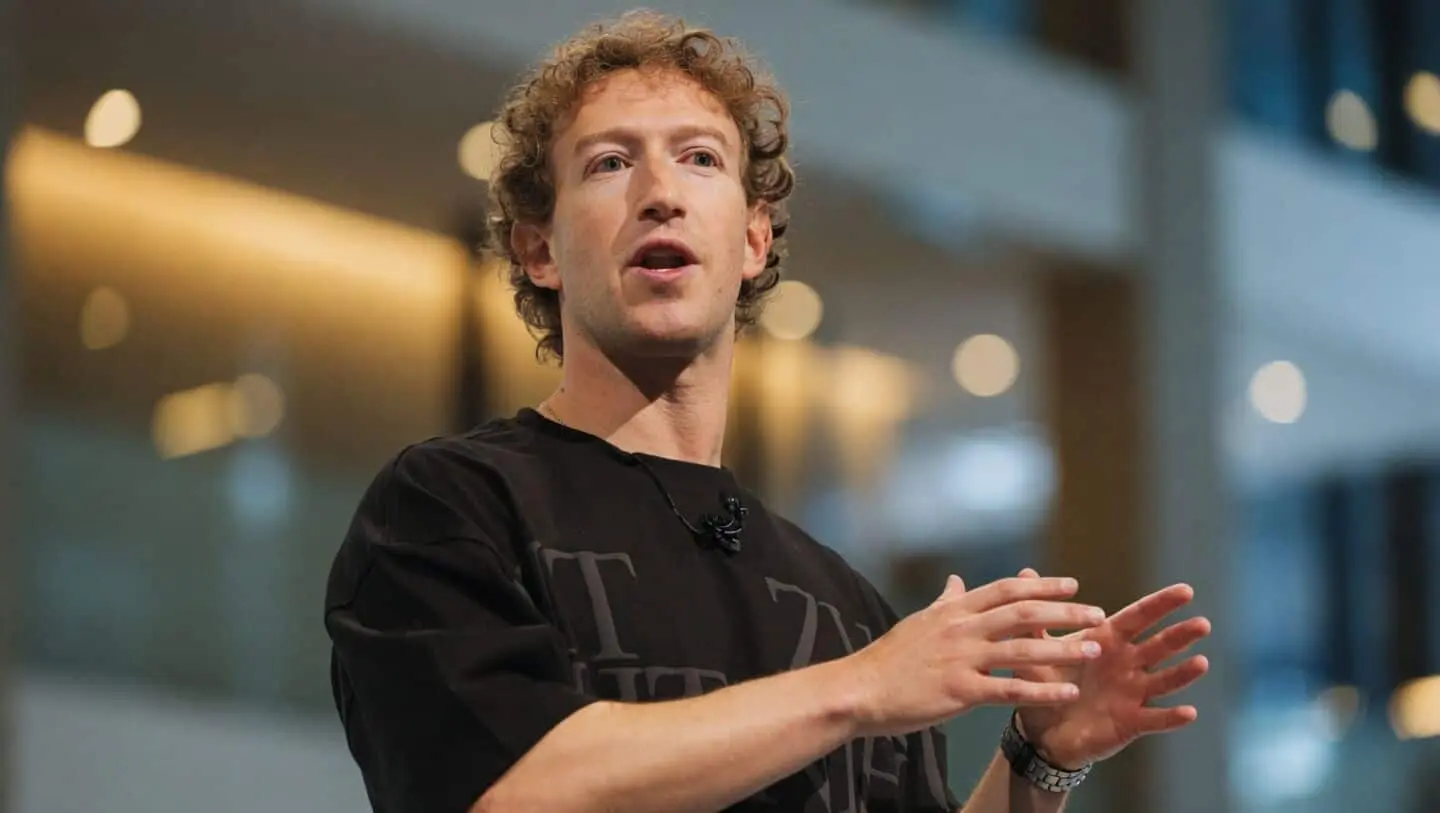
A confidential audio recording, purportedly capturing Meta CEO Mark Zuckerberg, has surfaced, suggesting that the company is leveraging artificial intelligence to monitor its workforce. The clip, reportedly from an internal all-hands meeting held on April 30, 2026, features Zuckerberg discussing how Meta's AI systems could improve by observing employee workflows and coding patterns. This revelation has ignited debate over employee privacy within one of the world's largest technology firms, especially as Meta simultaneously announces the elimination of approximately 8,000 jobs.
The Leaked Audio and Its Implications
According to sources familiar with the matter, the leaked audio is approximately 12 minutes long and was shared anonymously on a popular tech forum. In the recording, Zuckerberg is heard explaining that Meta's next-generation AI models require vast amounts of training data, including real-time data from internal development processes. He suggests that by analyzing how engineers write code, debug software, and collaborate on projects, the AI can become more efficient and better aligned with human problem-solving methods. While Zuckerberg frames this as a natural step in AI evolution, critics argue it represents an unprecedented level of corporate surveillance.
The timing of the leak is particularly sensitive. Meta has been undergoing a massive restructuring under what Zuckerberg has called the 'year of efficiency.' Since late 2022, the company has cut over 20,000 jobs across multiple rounds, with the latest 8,000 layoffs announced just days before the recording was leaked. The combination of job cuts and employee monitoring has created a climate of fear and distrust among Meta's remaining workforce.
Meta's Broader AI Strategy
Meta has aggressively pivoted toward artificial intelligence in recent years, investing billions in generative AI, large language models, and autonomous systems. The company's AI division, now one of its largest business units, is responsible for products like the Llama language model and AI-powered content recommendations. Zuckerberg has repeatedly stated that AI is central to Meta's future, from improving social media algorithms to developing augmented reality glasses.
However, the leaked audio suggests that Meta's AI ambitions extend beyond consumer-facing products to internal operations. By training AI on employee behavior, the company could potentially identify inefficiencies, predict performance issues, or even automate tasks currently performed by humans. While such data-driven optimization is common in manufacturing and logistics, its application in knowledge work, especially at a company known for its competitive culture, raises ethical questions about consent and boundaries.
Historical Context of Employee Monitoring
Employee monitoring is not new in Silicon Valley. Many tech companies track productivity metrics, keystrokes, or even screen time. However, Meta's approach, as described in the leaked audio, appears more invasive. Zuckerberg reportedly mentions using 'anonymized aggregated data' but acknowledges that individual patterns can be inferred. This ambiguity has not reassured privacy advocates. In 2023, Meta faced employee backlash over a pilot program that used webcams to monitor remote workers' engagement during meetings. The program was shelved after internal protests, but the current revelation suggests the company is resuming similar efforts through AI.
Legal experts note that such monitoring may violate certain privacy laws, particularly in Europe under the General Data Protection Regulation (GDPR). In the United States, laws are less stringent, but California's Consumer Privacy Act (CCPA) could apply if data is collected without adequate notice. Meta has not publicly commented on the legality of the described practices, but the leaked audio could trigger investigations by regulatory bodies.
Impact on Employee Morale
The combination of job cuts and surveillance is taking a toll on Meta's workforce. Internal message boards and social media platforms show employees expressing anxiety and resentment. One anonymous post described the monitoring as 'creepy' and questioned whether the company trusts its workers. Others worry that the AI could be used to identify low-performing employees for future layoffs, creating a culture of paranoia.
Meta's human resources department has reportedly tried to calm fears, stating that any AI monitoring is for 'system optimization' and not for individual performance reviews. However, the leaked audio contradicts this assurance, as Zuckerberg explicitly links the AI learning to identifying inefficiencies. With over 60,000 employees remaining after the latest round of cuts, trust in management appears to be at an all-time low.
Broader Industry Trends
Meta is not alone in exploring AI-driven employee monitoring. Amazon has used AI to track warehouse workers for years, and companies like Microsoft and Google use productivity analytics. However, the scope and transparency of such programs vary widely. The leaked audio from Meta could prompt a broader conversation about the ethical limits of workplace surveillance in the tech industry. Industry analysts point out that while AI can improve efficiency, it may also stifle creativity and innovation if employees feel constantly watched.
Furthermore, the incident highlights the tension between transparency and secrecy in large corporations. Meta has historically prided itself on an open culture, with Zuckerberg hosting frequent all-hands meetings to discuss strategy. Yet the fact that these meetings are now being leaked suggests a breakdown in internal trust. The anonymous leaker claimed they wanted to 'expose what is really happening' to the public and other employees.
Financial and Market Reactions
Following the leak, Meta's stock saw a slight dip, reflecting investor concerns about potential regulatory backlash or reputational damage. However, the company's strong financial performance in recent quarters, driven by advertising revenue and AI cost savings, has kept overall investor sentiment positive. Some analysts argue that efficient AI models could boost productivity and margins, outweighing the risks of negative publicity. Others caution that prolonged employee dissatisfaction could lead to talent drain, damaging Meta's competitive advantage in AI development.
Competitors like Google, Apple, and Microsoft are closely watching the situation. If Meta faces legal challenges or public outcry, it could set a precedent for how other tech companies implement similar technologies. Meanwhile, Meta's executives are reportedly consulting with legal teams to ensure compliance with existing laws while continuing the AI training program.
Looking Ahead
The leaked audio is just the latest chapter in Meta's turbulent journey under Mark Zuckerberg's leadership. From the Cambridge Analytica scandal to the metaverse pivot and massive layoffs, the company has repeatedly faced scrutiny over its handling of user and employee data. As AI becomes more integrated into every aspect of operations, the boundaries between productivity monitoring and privacy invasion will become harder to define.
For now, Meta employees must navigate an uncertain future where their every code commit or meeting attendance could be feeding an AI system. The company insists that the benefits of improved AI outweigh any temporary discomfort, but without clear guarantees of privacy and job security, many workers remain skeptical. As the tech industry evolves, the balance between innovation and respect for individual rights will continue to be a defining challenge.
Source: NewsBytes News