

In a significant victory for consumer rights and the growing right-to-repair movement, a controversial bill in Colorado that sought to roll back key provisions of the state's landmark repair law was defeated in a House committee on Monday evening. The bill, known as SB26-090, had drawn intense scrutiny from repair advocates, environmental groups, and cybersecurity experts who argued it would have opened the door for large technology companies to bypass repair access requirements. The defeat marks a pivotal moment in the ongoing national debate over who controls the ability to fix modern electronics.
Background of Colorado's Right-to-Repair Law
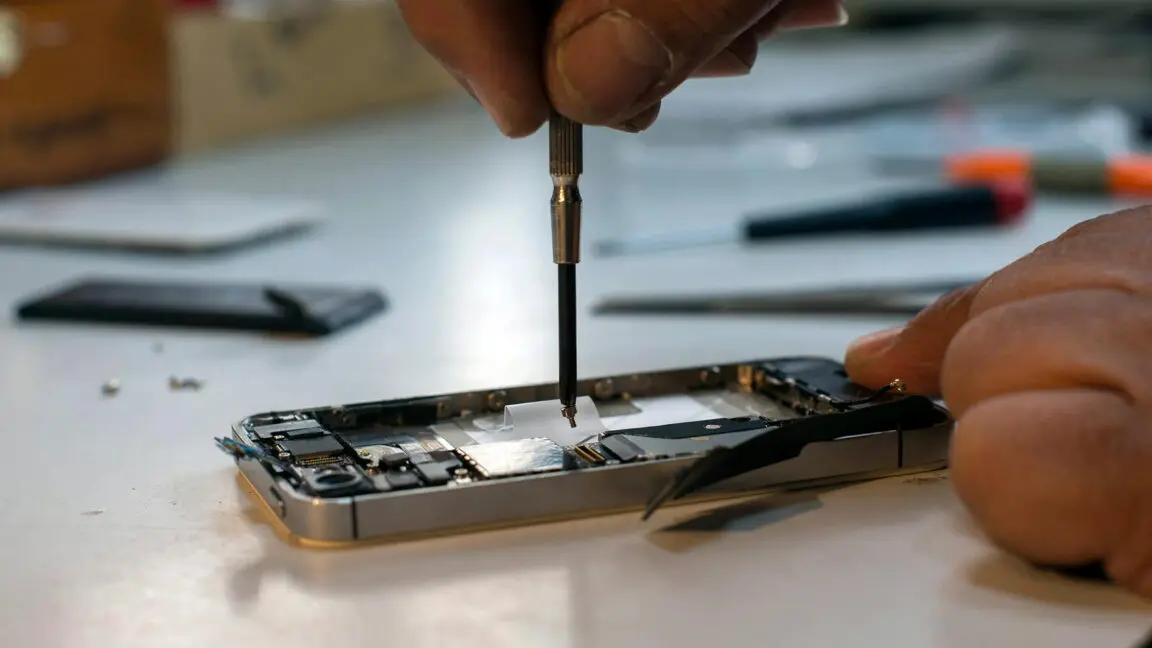
Colorado's Consumer Right to Repair Digital Electronic Equipment, enacted in 2024, was a trailblazing piece of legislation that took effect in January 2026. The law required manufacturers of digital electronic devices—such as smartphones, laptops, tablets, and Wi-Fi routers—to provide consumers and independent repair shops with the necessary tools, parts, and documentation to perform repairs. It aimed to reduce electronic waste, lower repair costs, and empower consumers to fix their own devices without being forced to go back to the original manufacturer for often expensive and inconvenient service.
The law was celebrated by repair advocates as a model for other states to follow. It built on earlier right-to-repair laws focused on agricultural equipment and medical devices, expanding protections into the consumer electronics sector. However, from the moment it took effect, it faced pushback from major technology companies that saw it as a threat to their control over aftermarket services and their ability to protect intellectual property.
The Introduction of SB26-090
SB26-090 was introduced during a Colorado Senate hearing on April 2, 2026, with support from companies such as Cisco and IBM. The bill proposed to amend the existing repair law by creating a broad exception for devices classified as 'critical infrastructure.' This term, however, was left loosely defined, raising concerns among opponents that it could be applied to virtually any technology that a company deemed essential to its operations or to network security. Manufacturers could then withhold repair access for routers, servers, and other networking equipment, effectively gutting the original law's intent.
The bill moved quickly through the Senate, passing unanimously on April 16 after a brief hearing with limited public testimony. It then advanced to the Colorado House of Representatives, where it was assigned to the State, Civic, Military, and Veterans Affairs Committee. The committee hearing originally scheduled for late April was delayed several times, giving both supporters and opponents time to mobilize.
The Arguments For and Against the Bill
Supporters of SB26-090, led by Cisco and other network equipment manufacturers, argued that the right-to-repair law posed a grave cybersecurity risk. They claimed that if companies were required to provide repair tools and documentation to anyone, malicious actors could reverse-engineer critical hardware—such as internet routers—and exploit vulnerabilities. Withholding such sensitive information, they contended, would keep these systems secure from hackers who might misuse the repair data to launch attacks on infrastructure networks.
Opponents countered that this argument was largely unfounded and served as a smokescreen for protecting corporate profits. Cybersecurity experts who testified at the hearing pointed out that the vast majority of cyberattacks are conducted remotely, not through physical tampering with hardware. Replacing a broken screen on a laptop or swapping a battery in a router does not give an attacker access to network-level controls. Moreover, defenders of networks often need to make real-time changes during an attack—something that could be delayed if they had to seek manufacturer permission for repair access. 'There is no time,' said Billy Rios, a white-hat hacker and cybersecurity expert, during the hearing. 'It doesn't work that way.'
Another line of attack from bill supporters concerned the economic implications. Some lawmakers, including Representative Chad Clifford, a Democrat and vice chair of the House committee who was a prime sponsor of the bill, warned that large tech companies might simply stop selling their products in Colorado if forced to comply with the repair law. 'They're not going to comply and give away the keys to their kingdom for the things that are securing billions of dollars of interest for their customers over the law that we passed,' Clifford said. 'What they're going to do is just not have commerce on those items here.'
However, this threat was met with skepticism. Critics pointed out that Colorado is a significant market for technology products, and no manufacturer would risk losing access to millions of consumers. In addition, other states with similar repair laws, such as New York and Minnesota, have not seen companies pull out. The economic argument, they said, was a bluff designed to pressure lawmakers into weakening consumer protections.
The Decisive Hearing and Vote
The House committee hearing on Monday evening was a marathon session that stretched late into the night. Dozens of people provided public testimony, both in support and opposition. The room was packed with repair advocates from organizations such as PIRG, Repair.org, iFixit, Consumer Reports, and local environmental groups including Blue Star Recyclers, Recycle Colorado, and Environment Colorado. Their testimony highlighted the real-world impact of the repair law—reducing electronic waste, saving money for low-income families, and allowing small businesses to thrive by offering affordable repairs.
At one point, Representative Clifford attempted to illustrate the need for secrecy by referencing Cloudflare's famous use of a wall of lava lamps to help randomize internet encryption. 'I don't know why anybody has to have lava lamps on a wall to keep the Chinese from getting into a network, but it's what they came up with that worked,' Clifford said. 'How they do that, I believe they should be able to keep it a secret, even in Colorado.' The comparison drew criticism from cybersecurity experts, who noted that the lava lamps are used for random number generation in a highly specific context, not for hardware repair access. They argued that conflating the two was misleading and demonstrated a misunderstanding of both cybersecurity and the repair law.
After hours of debate and public comments, the committee voted on the bill. It was defeated 7 to 4, with several lawmakers expressing unease about the vague definition of critical infrastructure and the potential for abuse. Representative Naquetta Ricks, who voted against the measure, said during the hearing: 'What are we really trying to do here? Are we protecting just one company, or are we looking at really critical infrastructure? I'm not convinced.' The bill was then postponed indefinitely, effectively killing it for the current legislative session.
Danny Katz, executive director of CoPIRG, a local consumer advocacy group, credited the victory to a broad coalition of stakeholders. 'While we were making progress at chipping away at the momentum for it, we had still been losing,' Katz wrote in an email after the hearing. 'So we took nothing for granted, and I believe the incredible testimony from the broad range of cybersecurity experts, businesses, repair advocates, recyclers, and people who want the freedom to fix their stuff made a big difference.'
Broader Implications for the Right-to-Repair Movement
The defeat of SB26-090 is seen as a bellwether for how tech companies might attempt to undermine repair laws in other states. With right-to-repair legislation gaining traction across the country—including recent laws in Iowa, New York, Minnesota, and Oregon—industry lobbyists are expected to continue pushing for exceptions that could hollow out these protections. The Colorado battle highlights the key narratives both sides will deploy: cybersecurity fears versus consumer empowerment and environmental benefits.
Nathan Proctor, senior director of US PIRG's Campaign for the Right to Repair, said he was relieved but realistic about the ongoing fight. 'The fact of the matter is, unfixable stuff is everywhere,' Proctor wrote. 'This is a widespread problem, and it requires a widespread response.' He pointed to the increasing number of states considering repair legislation and predicted that similar battles will erupt in those jurisdictions. The arguments used in Colorado—critical infrastructure exemptions, cybersecurity risks, and economic threats—are tools in a playbook that lobbyists will reuse. However, the Colorado outcome shows that with enough public awareness and expert testimony, lawmakers can see through the rhetoric.
For now, Colorado's repair law remains intact, continuing to provide consumers with the right to fix their digital electronics. The fight is not over, but the movement has proven it can mobilize effectively against well-funded opposition. As more states adopt repair laws, the pressure will mount on Congress to consider a federal right-to-repair bill, which would create a uniform standard and prevent a patchwork of state laws. The Colorado committee's vote sends a strong signal that, at least in this state, the right to repair is not easily undone.
Source: Ars Technica News